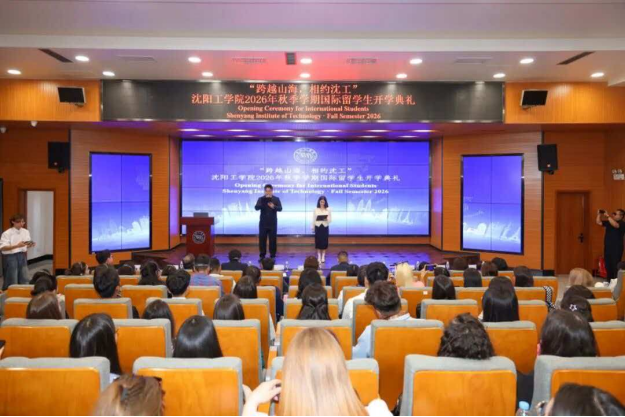
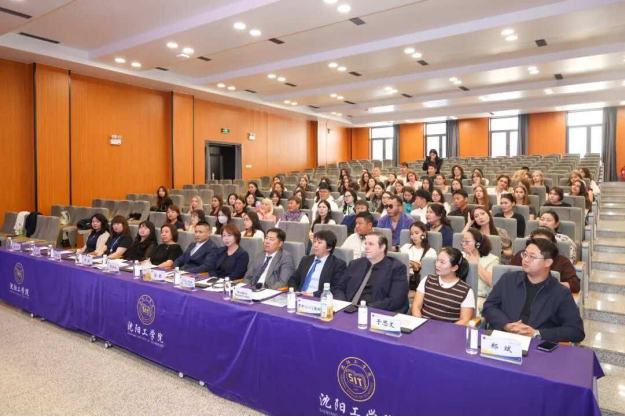
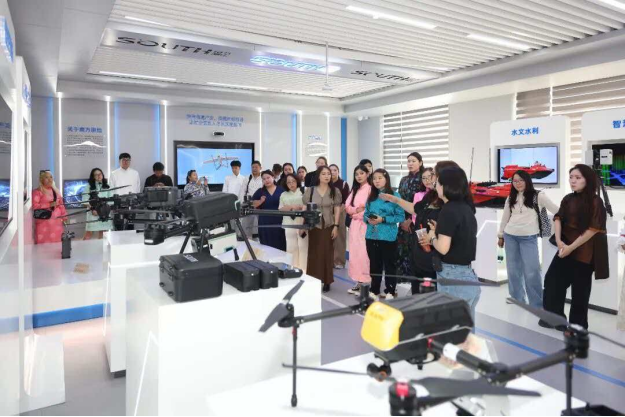
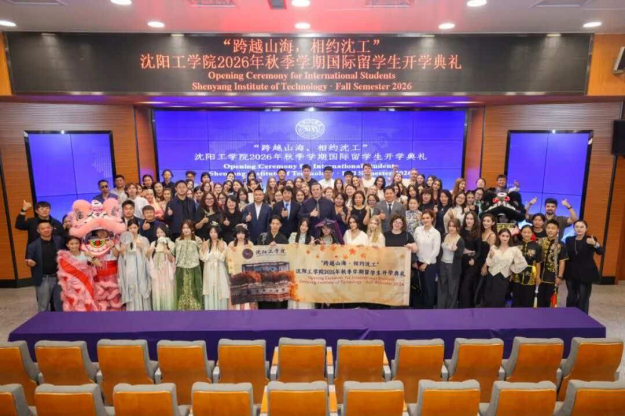
On September 17, the opening ceremony for international students of the 2026 autumn semester was held in the lecture hall of the School of International Education, marking the official launch of the China-Mongolia Higher Education Talent Joint Training Program. Munkhbat, Director of the Commerce Department of Sukhbaatar Province, Mongolia; Yu Xin, representative of the China-Mongolia Industrial Park; Guo Zhenlin, representative of a China-Mongolia charitable enterprise; and Xu Ying, Vice President of Shenyang Institute of Technology (SIT), attended the event.
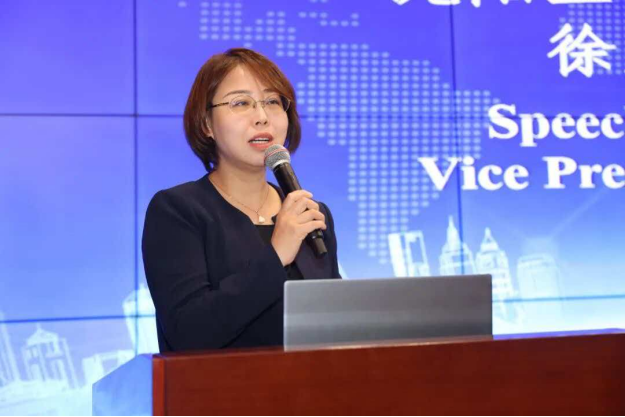
In her speech, Xu Ying extended a warm welcome to the Mongolian freshmen who had come from afar. She introduced that SIT has jointly built 28 modern industry colleges with leading enterprises, established a 126P computing power center and a large-model teaching platform, and developed cooperative relations with 62 universities in 19 countries. She encouraged the Mongolian students to study diligently and practice hard at the university to build solid professional skills; to communicate actively and make many Chinese friends; and to learn to respect and be inclusive and personally experience fine traditional Chinese culture. When they return home after completing their studies, they will not only earn academic diplomas but also master solid technical skills and become proficient in Chinese, striving to be young ambassadors of China-Mongolia and China-Russia friendly exchanges.
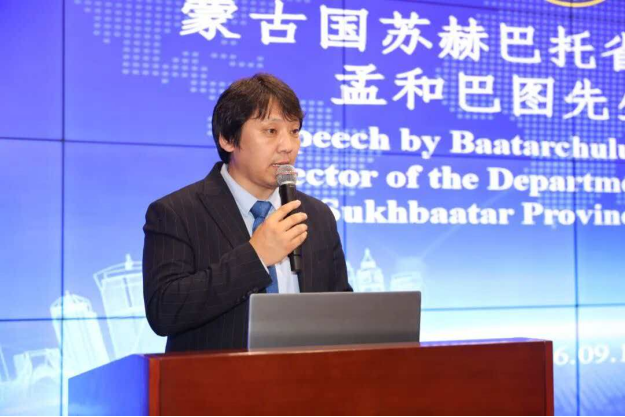
In his speech, Munkhbat said that this time 19 Mongolian young people had come to SIT to begin their studies in engineering majors. SIT is a well-known applied university in Liaoning Province focusing on cultivating industrial technical talents. He expressed the hope that the students would study hard at the university, acquire professional skills, experience China's development and corporate culture, and in the future devote themselves to Mongolia's industrialization and economic development, using the knowledge they acquire to help deepen Mongolia-China friendship and advance together.
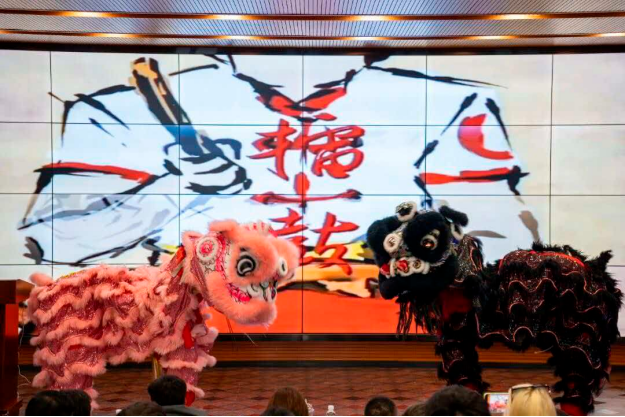
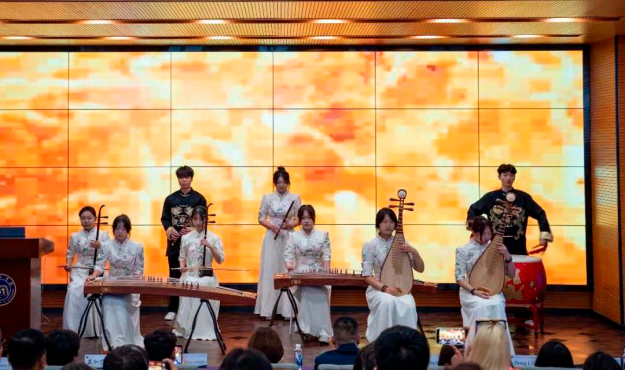
The ceremony featured a splendid array of artistic and interactive programs. A Hanfu fashion show, a demonstration of the university's "intelligent agent" technology, a solo dance by a Mongolian student, a solo performance by a Russian exchange student, interactive games, and lion dance and martial arts performances were staged in succession. Chinese and foreign students performed on the same stage, where diverse cultures blended and interacted, allowing international freshmen to experience the charm of Chinese culture firsthand. The atmosphere was lively.
In June this year, a delegation composed of Dundgovi, Sukhbaatar, Khentii, Dornod, and Ömnögovi provinces of Mongolia visited SIT, and the two sides held an international exchange and cooperation meeting. SIT signed the Strategic Cooperation Framework Agreement on Joint Training of Higher Education Talents between China and Mongolia with Sukhbaatar Province. Over the next five years, the Mongolian side will select outstanding young students to come to the university for degree education. The arrival of the international freshmen this time is the implementation of this cooperation.
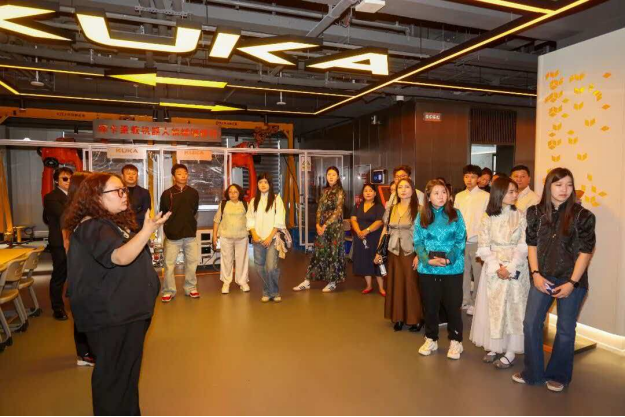
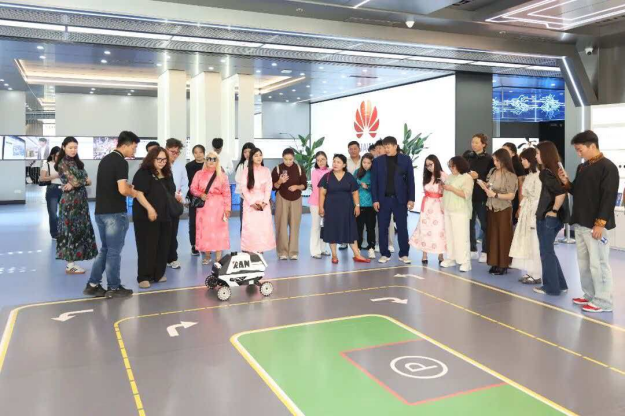
For Mongolian students coming to China, the university has established a complete talent training program and created a "major + language" dual-wheel collaborative education model. It has built an integrated closed-loop talent cultivation system in which classroom teaching lays the foundation, practical teaching empowers students, and cultural immersion cultivates the spirit. In teaching, it addresses the disconnect between language and professional education, builds a tiered curriculum chain, and promotes project-based collaborative cultivation of Chinese and foreign students. Relying on modern industry colleges, it uses real cross-border business operations for practical training, bridges the "last mile" of industry-education integration, and simultaneously improves students' professional application, bilingual communication, and cross-cultural collaboration abilities. At the same time, fully considering the practical needs of Mongolian students for further study and cross-border employment, the university integrates national conditions education and experience of fine traditional Chinese culture throughout the whole training process, broadens students' industrial understanding, promotes mutual learning between Chinese and Mongolian youth, and focuses on cultivating interdisciplinary international talents suited to China-Mongolia economic, trade, and scientific and technological cooperation, creating an SIT practice model of "Study in China."
SIT will continue to open up international exchange channels, continuously innovate internationalized education models, participate in global educational innovation practices with a more open attitude, continuously deepen China-Mongolia people-to-people and cultural exchanges, serve the economic and social development of the two countries, and demonstrate the "SIT responsibility" of an applied undergraduate university.
Zhang Lili, Dean of the School of International Education, and specially appointed expert Justin attended the event.
Translated by Basic Courses Department