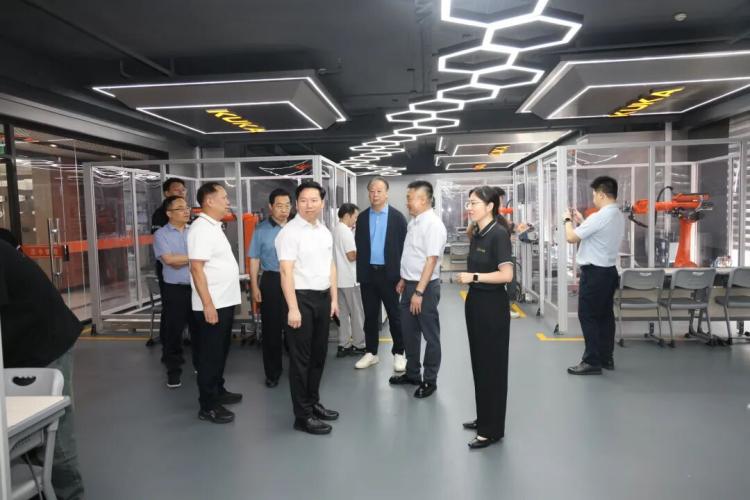
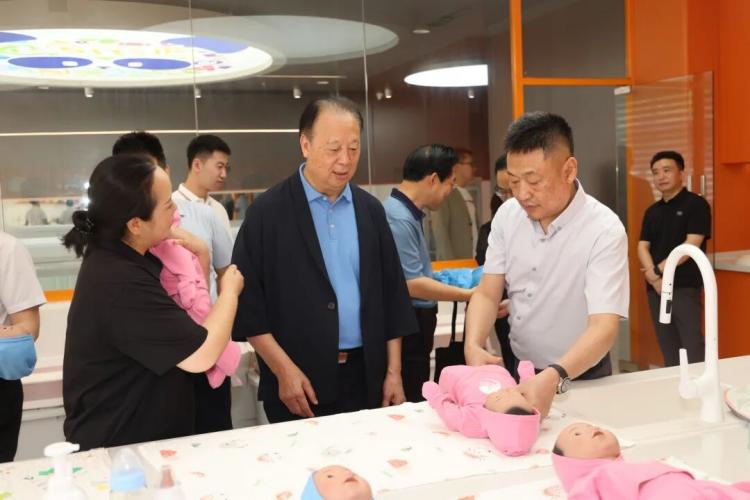
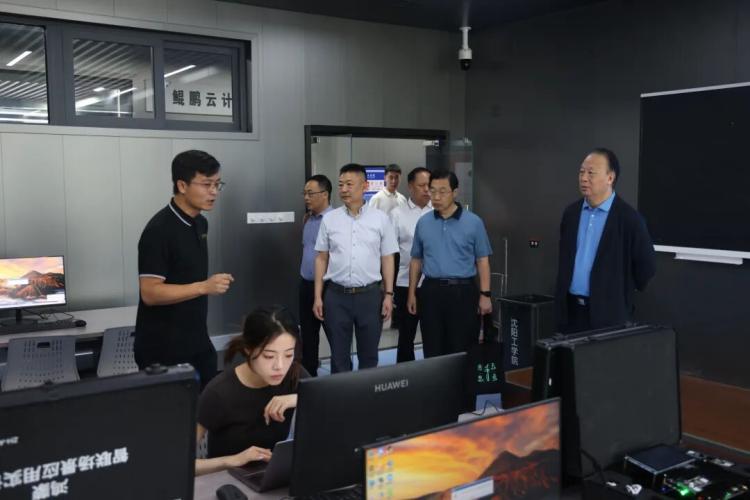
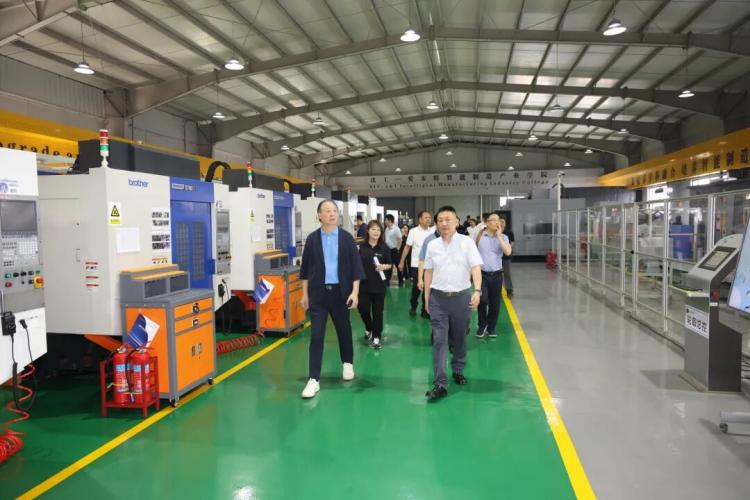
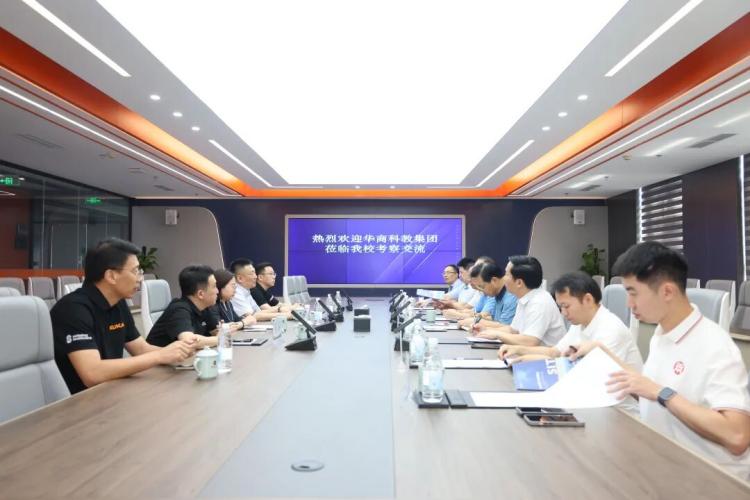
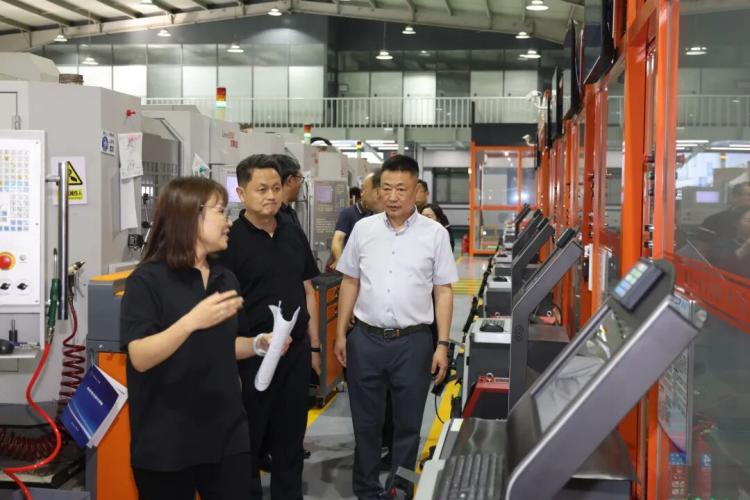
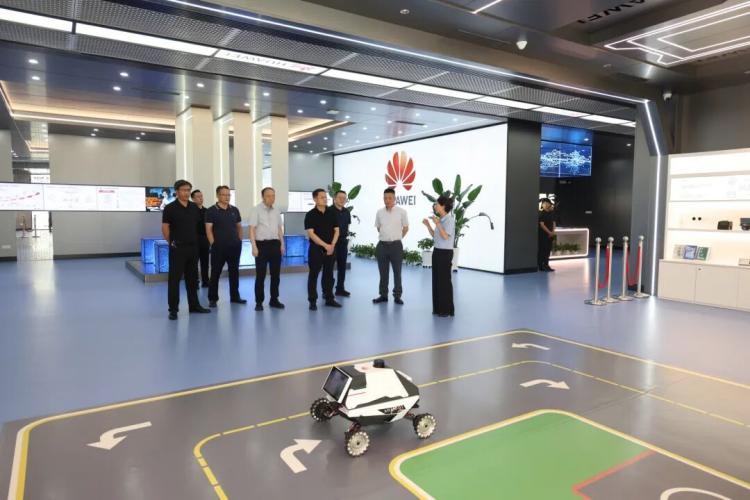
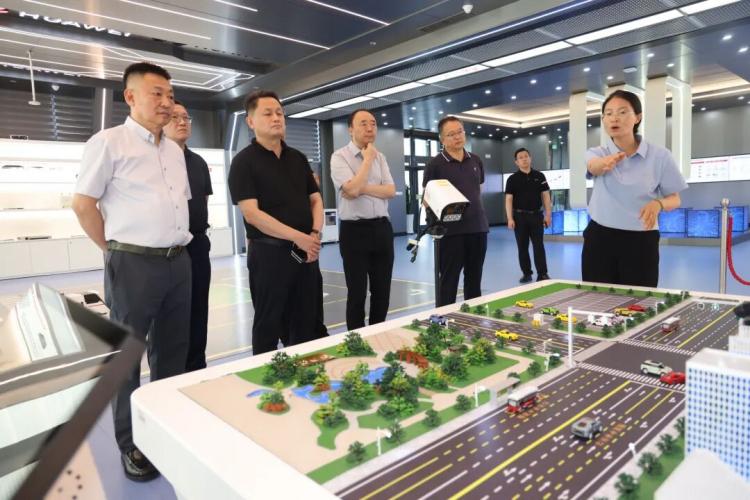
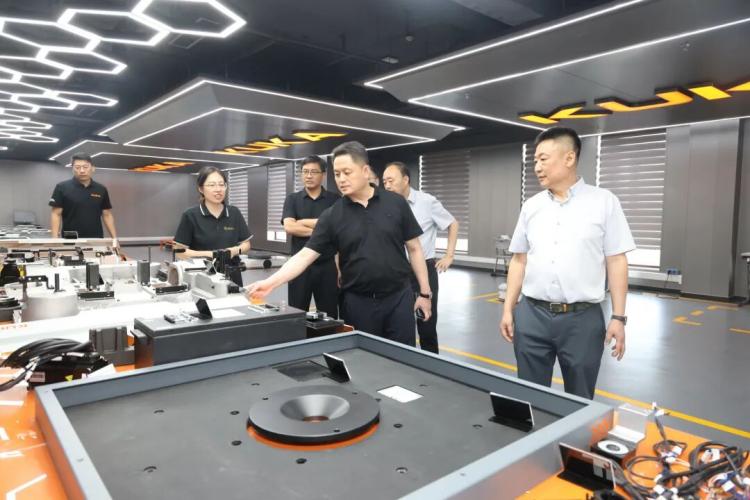
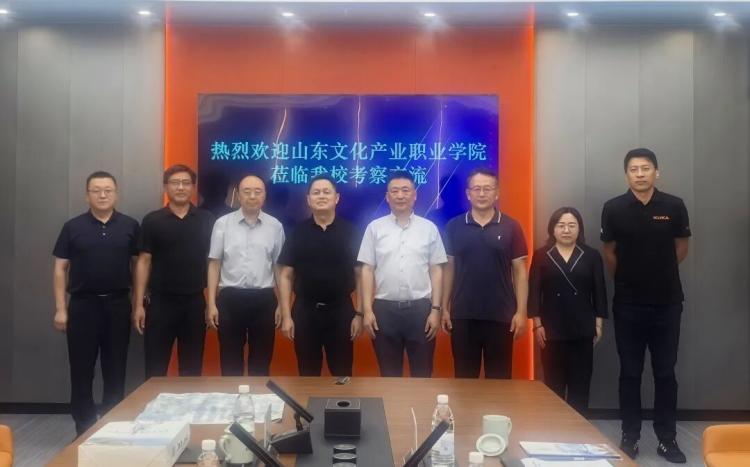
On July 23, Huashang Science and Education Group and Shandong Vocational College of Cultural Industry visited our institution for a series of inspection and exchange activities, engaging in in-depth discussions and conducting field research on topics such as educational management practices, the integration of industry and education, and digital and intelligent teaching reform. Wang Zhaobao, Chairman of our university; Li Kangju, President of our university; and Yang Yue, Vice President of our university, accompanied the delegation during their visit and attended the discussions.
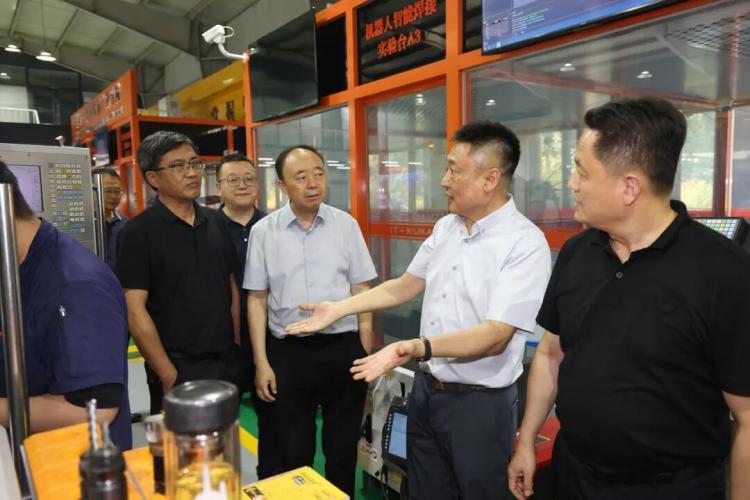
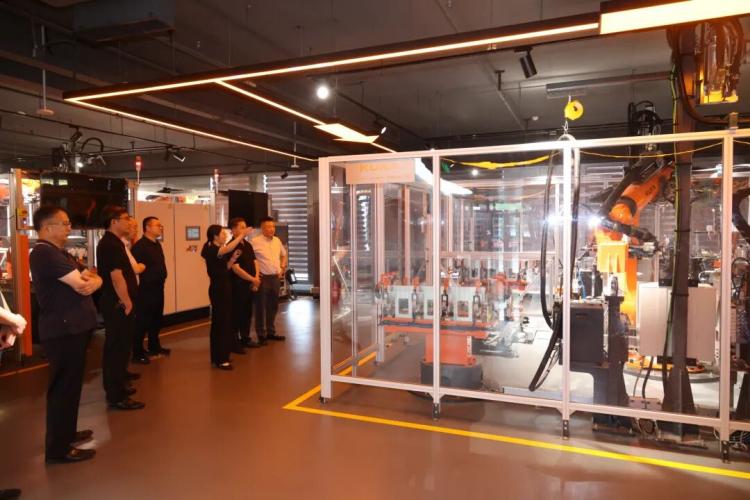
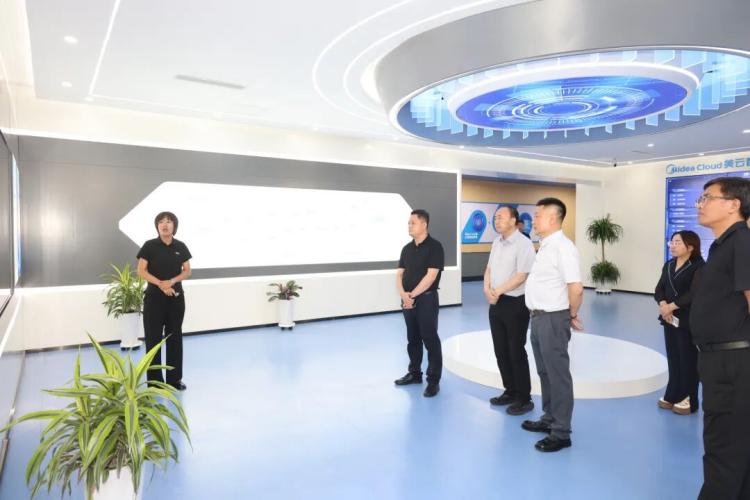
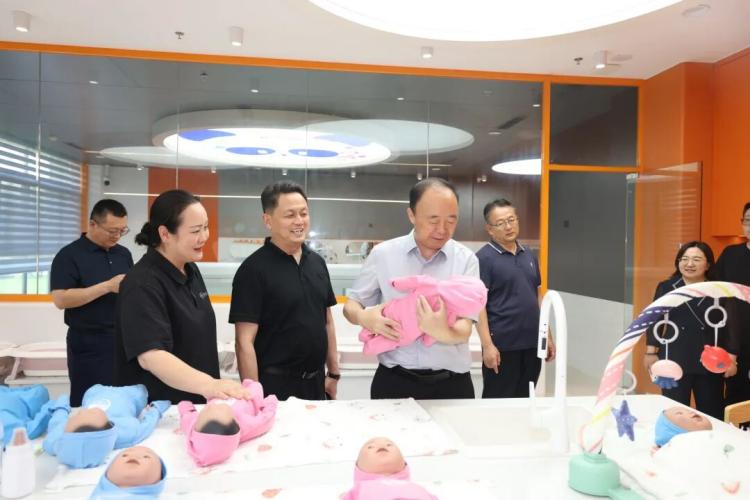
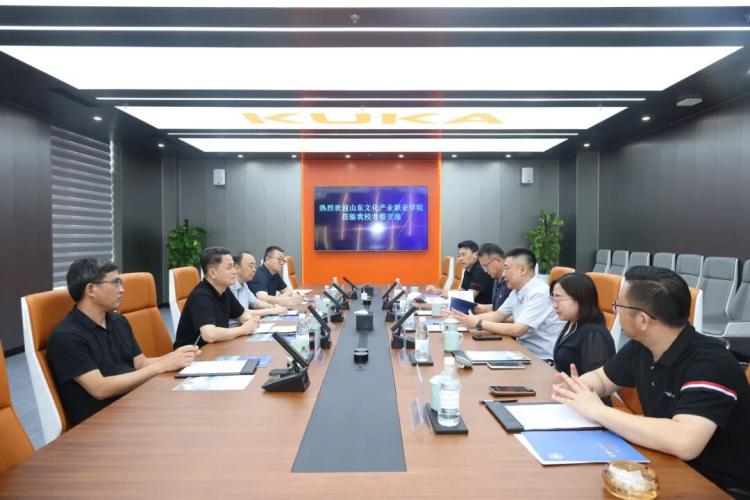
In the morning, Liao Rong, Chairman of Huashang Science and Education Group, led a delegation of eight people on an official visit. After touring the university's Intelligent Manufacturing Industry College, the Huawei-Shenyang Institute of Technology Modern Industry College, the Preschool Education Modern Industry College, the Shenyang Institute of Technology–Midea Digital Lighthouse College, and the KUKA Authorized Industrial Robotics College, the two parties held a symposium.
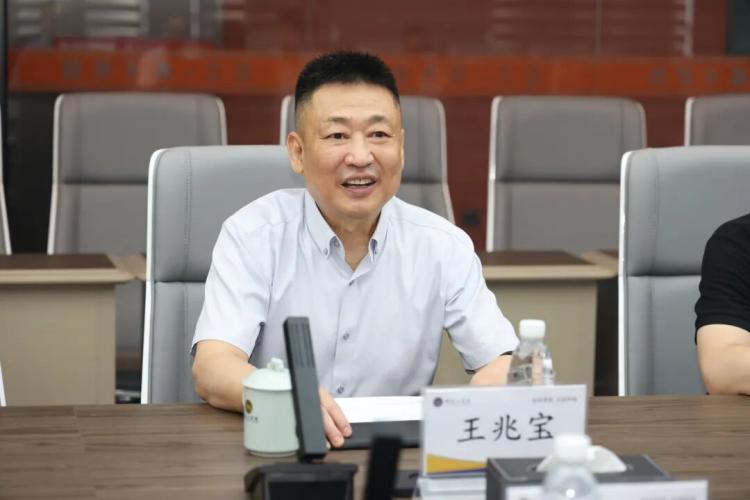
At the symposium, Wang Zhaobao extended a warm welcome to Liao Rong and his delegation, and provided a detailed overview of the university's achievements in its transformation and development efforts. He elaborated on the journey and practical outcomes behind the university's establishment of 28 industry-specific industrial colleges over the past two years, with particular emphasis on the innovative measures taken by the university to build an AI-driven education reform system leveraging its Computing Power Center and Teaching Intelligence Platform. He noted that the university remains closely aligned with labor market demands, vigorously promotes the development of industrial colleges, and integrates corporate culture, real-world production scenarios, and job-specific requirements into every stage of the teaching process to continuously enhance students' practical competencies and facilitate high-quality employment. Private higher education institutions should base their transformation on the dual pillars of industry-education integration and digital-intelligence empowerment, pursuing a distinctive, application-oriented development path. They should utilize their industry-specific industrial colleges as a strategic lever to forge robust university-enterprise collaboration networks and employ institutional innovation to overcome challenges in improving educational quality. Additionally, the university will continue to advance the research and application of intelligent teaching platforms, steadily enhance its practical teaching infrastructure, address gaps in areas such as intelligent teaching systems, deepen and broaden university-enterprise partnerships, and make every effort to cultivate high-caliber, application-oriented professionals.
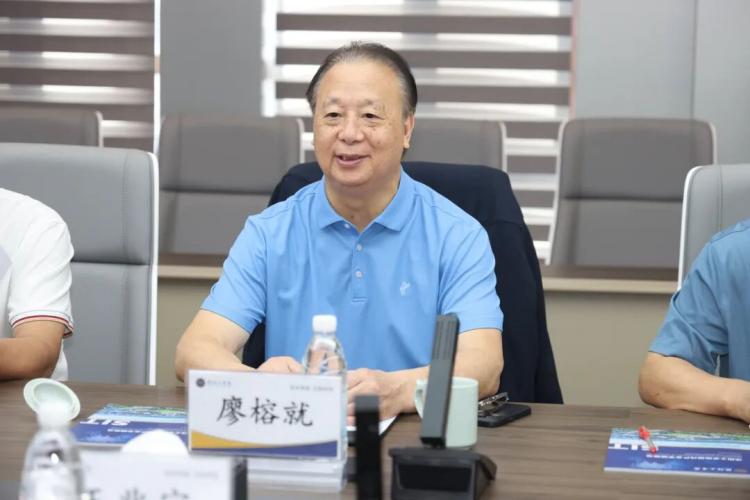
Liao Rong highly praised our university’s approach of precisely aligning its Industry-University Collaborative Schools with industrial chains and driving teaching reform through real-world corporate scenarios. He noted that Shenyang Institute of Technology’s model—where faculty members guide students in participating in actual corporate projects, foster deep integration between these projects and the academic curriculum, and simultaneously innovate its teaching and research evaluation mechanisms—has proven highly effective; thus, the establishment of these Industry-University Collaborative Schools serves as a benchmark for applied universities across China. This visit aimed to learn from the advanced practices in digital and intelligent transformation initiatives. This exchange has laid a solid foundation for deepening cooperation between the two parties in areas such as AI education and the integration of industry and academia.
The two parties held in-depth discussions on specific initiatives, including the establishment of a long-term operational mechanism for the Industry-University Research Association, reforms to faculty assessment and incentive systems, and the joint development and sharing of digital teaching resources.
In the afternoon, Li Jingping, Chairman of Shandong Cultural Industry Vocational College, led a delegation to visit our university. Following a field visit to our university’s various industry-specific colleges, the two parties held discussions focusing on applied talent development programs, the construction of digital and intelligent teaching platforms, and the strategic deployment of emerging academic programs.
Our university has shared its innovative evaluation system – which posits that "projects are disciplines, and disciplines are projects" – as well as its operational expertise in integrating employment opportunities, scientific research, and practical projects through the establishment of a collaboration ecosystem with leading enterprises. Li Jingping noted that Shenyang Institute of Technology’s pioneering work in developing a top-level strategic framework for industry–education integration and implementing digital teaching reform initiatives serves as an exemplary model for the transformative development of private higher education institutions. He expressed hope that both parties would maintain close communication and collaboration in areas such as the establishment of industry-academia collaboration institutes and talent development.
The simultaneous visit and exchange between the two institutions fully reflects the broad recognition within the industry of our university’s reforms in integrating industry with education, as well as its achievements in implementing digital and intelligent educational practices. Moving forward, our university will continue to uphold an open approach to education, regularly facilitate inter-institutional exchanges and reciprocal visits, share practical experience gained from these reform initiatives, collaborate with peer institutions to pool resources and achieve mutual benefit, and jointly pioneer a new chapter of innovative development for private higher education in the AI era.
Liu Yang, Director of the University’s Party and Administrative Office, along with the heads of the relevant schools, accompanied the inspection tour and attended the symposium.
Translated by Basic Courses Department