Real-time classroom interaction, instant analysis of quiz data, animated case studies breaking down complex concepts—today’s classrooms at our college have been completely transformed. With the full implementation of a new generation of intelligent teaching platforms, offline classes now brim with technological sophistication and interactivity, showcasing an exciting new model of digital and intelligent education.
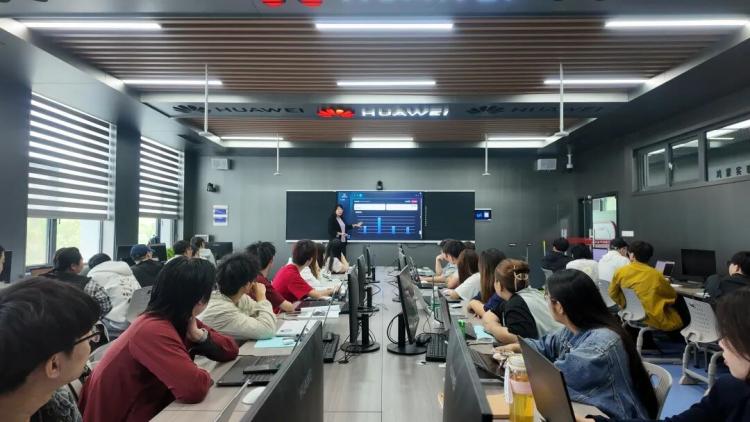
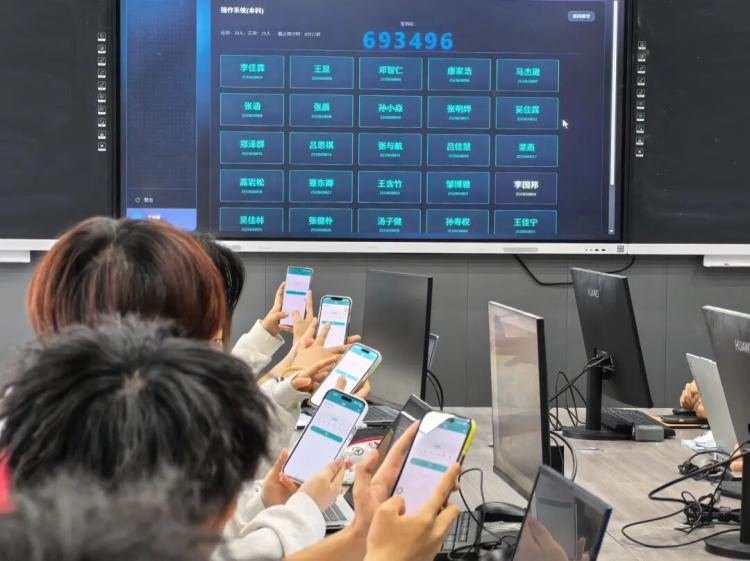
In the College of Information and Control's "Operating Systems" course, a dynamic, data-driven lesson is unfolding. Instructor Yu Xulei skillfully operates the smart teaching platform, projecting crisp screen content onto the large display. “Please scan the QR code on the screen and complete this in-class multiple-choice question about 'semaphore mechanisms' within two minutes,” he announces. Instantly, students pull out their phones to scan and answer, tapping away effortlessly.
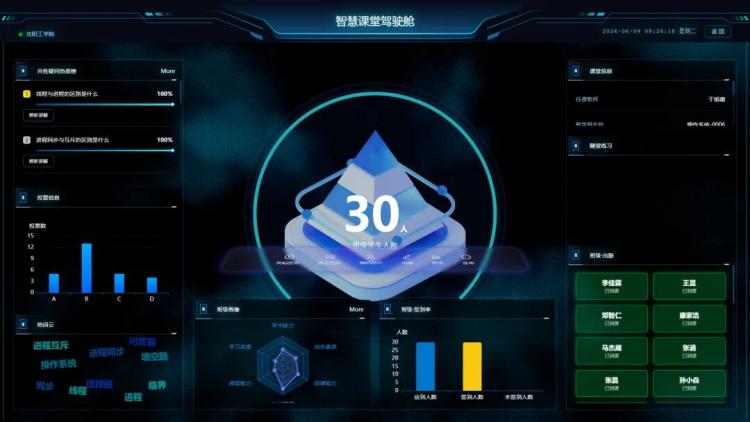
Within just two minutes, the entire class’s correct response rate and option distribution appear vividly on the big screen—clear and intuitive. The system automatically flags students who haven’t submitted answers yet, while real-time heat maps of learning analytics begin forming. The instructor quickly reviews the screen, precisely identifying three knowledge points where students are struggling. With a simple tap, an animated case study from the platform’s resource library—the producer-consumer problem—is instantly played. The dynamic visuals bring abstract operating system principles to life, capturing students’ full attention and making previously obscure concepts clear and accessible. During breaks, live chat interactions, random student selection, and team-based quick-response quizzes follow one after another, filling the room with laughter and lively discussion.
This vibrant smart classroom exemplifies our college’s “Smart Teaching Platform Implementation Initiative.” As a key driver of the college’s digital transformation, the platform has achieved deep integration with academic management systems, Chaoxing (SuperStar) platforms, and data centers, establishing a seamless digital teaching loop covering pre-class, in-class, and post-class stages.
Before class, the platform automatically generates personalized learning reports based on students’ pre-class preparation, accurately identifying knowledge gaps and guiding focused learning. During class, diverse features such as random student selection, quick-response quizzes, live chat, and thematic discussions effectively address common issues like low participation and lack of engagement in large lectures, truly embodying the student-centered teaching philosophy. Offline groups explore and discuss learning cases recommended by the platform, integrating online resources with face-to-face interaction for effective blended learning. After class, functions like automated grading and electronic error logs significantly reduce teachers’ repetitive workload, allowing them to focus more on curriculum design and individualized tutoring.
“Technology never replaces teachers—it empowers teaching and amplifies educational creativity,” said the director of the College’s Modern Educational Technology Service Center. The center provides comprehensive technical support—including hardware, data infrastructure, and customized development—to ensure stable operation of the platform under high-frequency classroom usage, striving to become a reliable “technical partner” for frontline educators and seamlessly integrating digital tools into everyday teaching practices.
Currently, the smart teaching platform has achieved routine application across numerous core professional and general foundation courses. Moving forward, our college plans to further leverage the platform’s accumulated teaching big data to explore intelligent applications such as early warning systems for learning performance and personalized learning path recommendations. This will continuously drive innovation in teaching models, transforming education from “technology-assisted instruction” to “technology-reinvented instruction.” Through digital and intelligent capabilities, our college aims to strengthen its fundamental mission of cultivating virtue and talent, advancing high-quality development in education and teaching.
Translated by Basic Courses Department