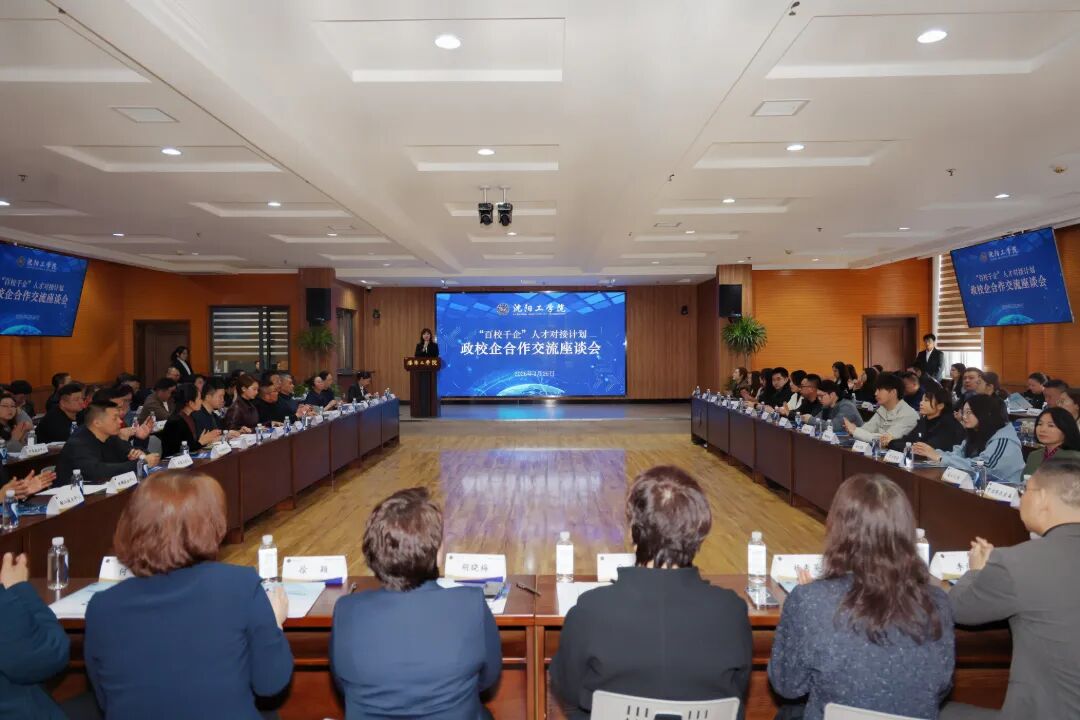
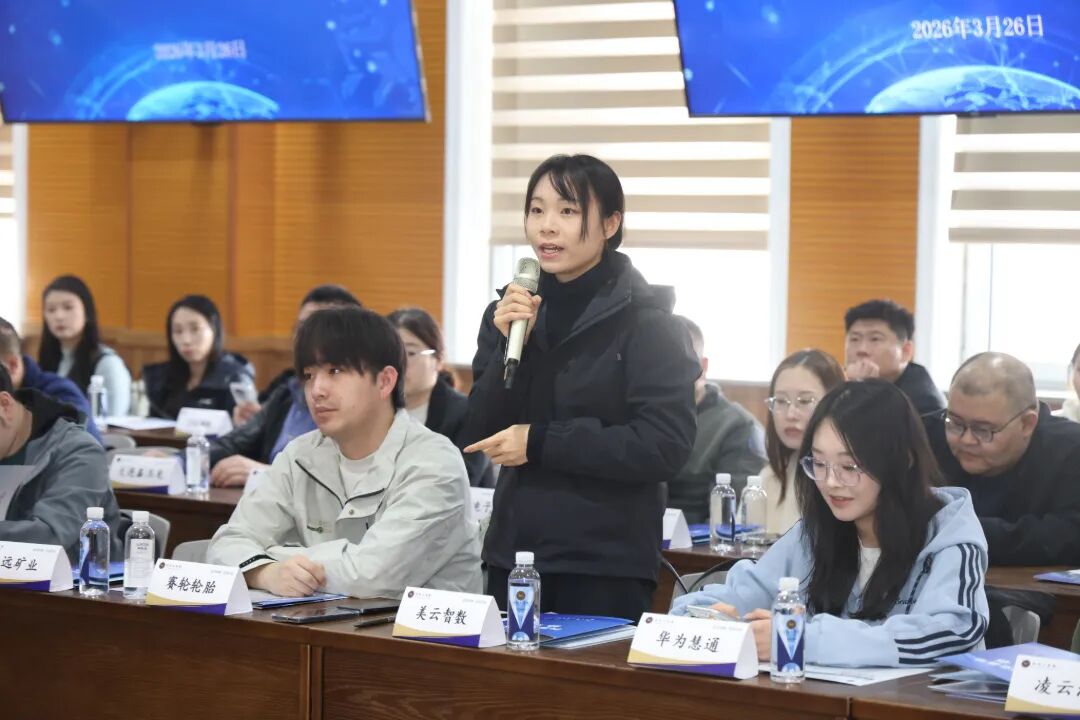
On March 26, the “ Hundred Schools, Thousand Enterprises” Talent Matching Program | Government-School-Enterprise Cooperation Symposium was held in Lecture Hall 204 of our university library. Attendees included Jin Ning, Deputy Director of the Party Building Department at Shenfu Innovation and Reform Demonstration Zone Management Committee; Hu Xiaomei, Party Secretary of our university; and Vice Presidents Xu Ying and Yang Xiuying. Representatives from human resources departments across 13 provincial cities, 29 industry leaders, and ecosystem enterprises of our Modern Industry College gathered to explore innovative pathways for industry-education integration and collaboratively advance talent development initiatives. The event was chaired by Hu Chenchen, Director of the Admissions and Employment Office.
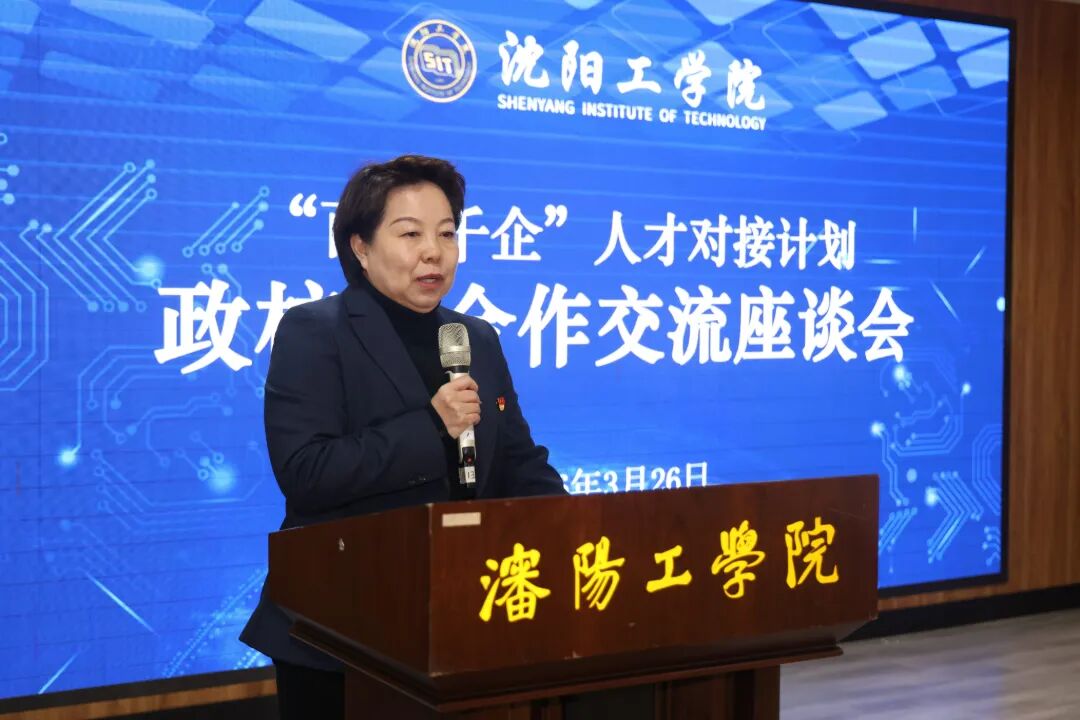
At the symposium, Hu Xiaomei, on behalf of the university, extended a warm welcome to all the guests and introduced the school's distinctive educational features, talent cultivation models, and the construction of modern industrial colleges. She stated that as an applied university, Shenyang Institute of Technology has always adhered to the educational philosophy of “ putting people first and applying knowledge to practice,” closely aligning with regional industrial development needs. The university has collaborated with leading enterprises such as Huawei, Midea, and Kuka to establish 21 modern industrial colleges, creating a new educational ecosystem with deep integration of industry and education, enabling students to research real-world problems and hone practical skills in authentic environments. The university will also seize this symposium as an opportunity to further break down information barriers, deepen government-university-enterprise collaboration, and cultivate more high-quality applied talents for the comprehensive revitalization of Liaoning.
Jin Ning stated that the demonstration zone will continue to optimize policy frameworks, focusing on key industries such as intelligent manufacturing. Targeted measures for talent recruitment, training, and incentives will be implemented to strengthen institutional support for industry-education integration. The zone will also establish more efficient talent matching platforms, streamline information channels between schools and enterprises, and ensure precise alignment between talent development and corporate needs. Furthermore, it will fully leverage its bridging role to deepen government-school-enterprise collaboration, support the enhancement of industry-academia integration platforms like industrial colleges, and facilitate seamless integration of educational systems, talent pipelines with industrial chains and innovation networks. These efforts aim to drive high-quality talent supply that fuels regional economic growth through sustainable development.
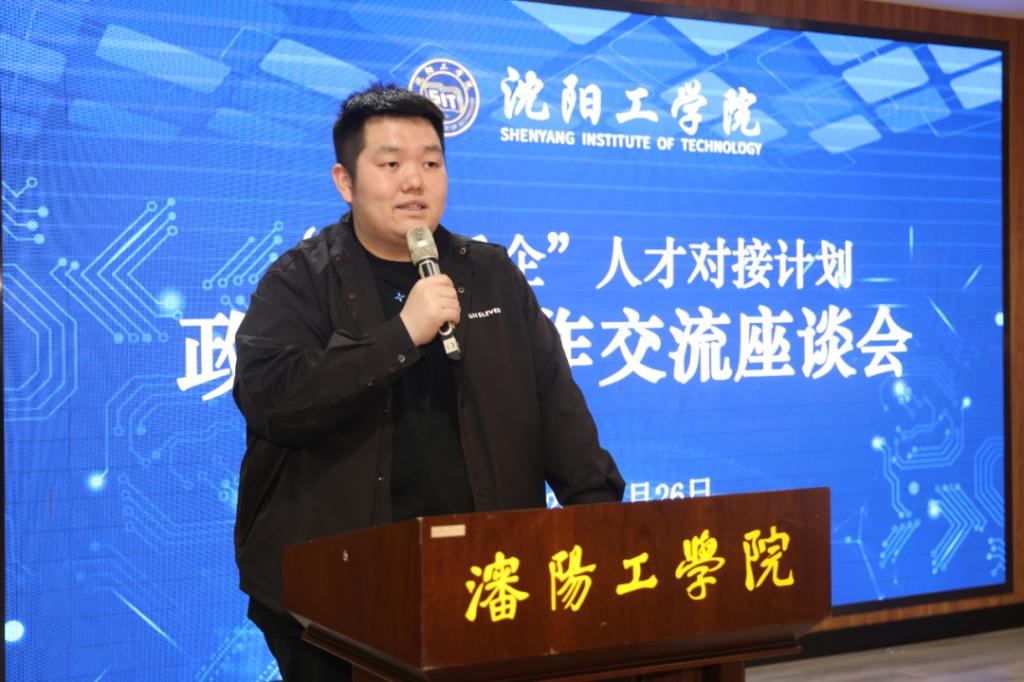
Yu Haichun, General Manager of Dalian Xiecheng Construction Industry Co., Ltd. and a distinguished alumnus, delivered a speech as the representative of alumni. He reflected on his academic journey at his alma mater and expressed gratitude for the solid foundation laid by the university's mentorship that paved the way for his entrepreneurial endeavors. He pledged to reciprocate the school's support through concrete actions, deepen collaborative efforts, and jointly explore innovative models that precisely align talent development with industry demands.
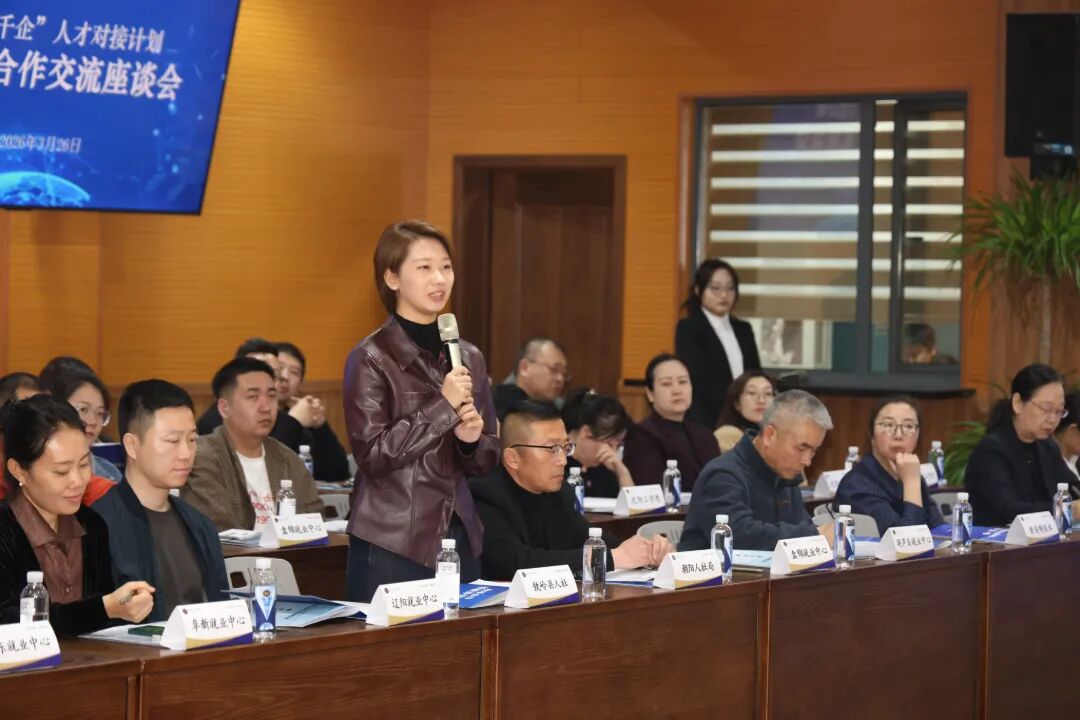
During the tripartite exchange session involving government, schools, and enterprises, He Qiang, Deputy Director of Panjin Municipal Human Resources and Social Security Bureau; Qiao Rong, Deputy Director of Tieling County Human Resources and Social Security Affairs Service Center; Li Na, Director of Human Resources Market Service Department at Fuxin City Employment and Talent Service Center; Zhang Tianzi from Huawei Shenzhen Huitong Business Co., Ltd.; and Wu Siting from Meiyun Zhishu Technology Co., Ltd. spoke successively. They highly praised the achievements of our university's Modern Industry College construction and the comprehensive quality of graduates, and conducted in-depth discussions on joint talent cultivation, employment base development, and technical collaboration.
During the conference, Hu Xiaomei signed a framework agreement on university-local cooperation with human resources and social security departments of 13 prefecture-level cities within the province, while Xu Ying signed agreements on jointly establishing employment bases with 27 enterprises. These signings mark the entry of university-local and university-enterprise cooperation into a new phase of institutionalization and normalization, providing a more robust platform for high-quality and full employment of graduates.
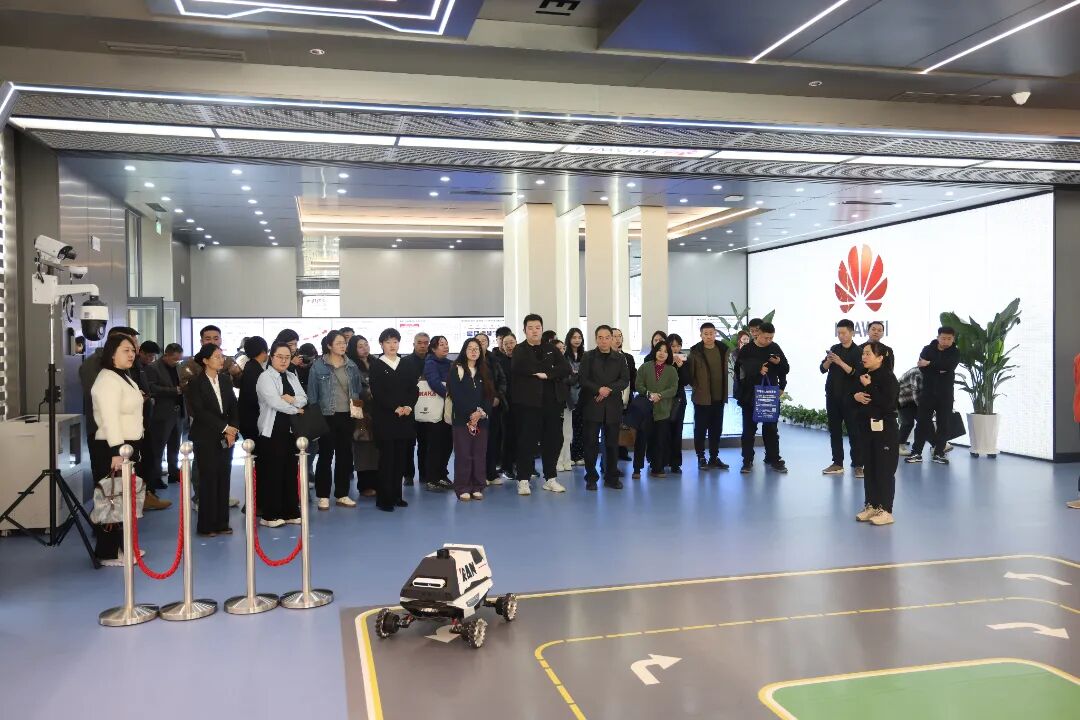
Prior to the meeting, the attending guests visited our university’s Huawei-Shen Gong Modern Industry College, Shen Gong-South Surveying and Mapping Beidou Spatiotemporal Information Industry College, Shen Gong-Midea Digital Lighthouse College, and KUKA Authorized Industrial Robot College.
Translated by Basic Courses Department