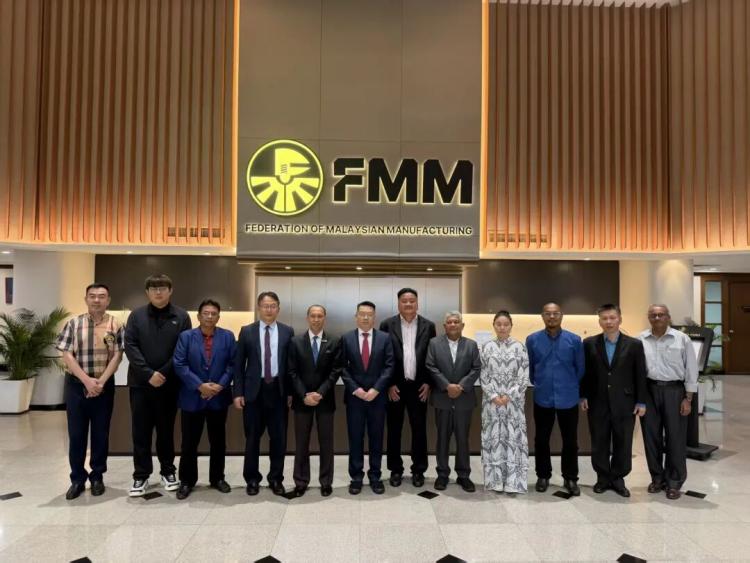
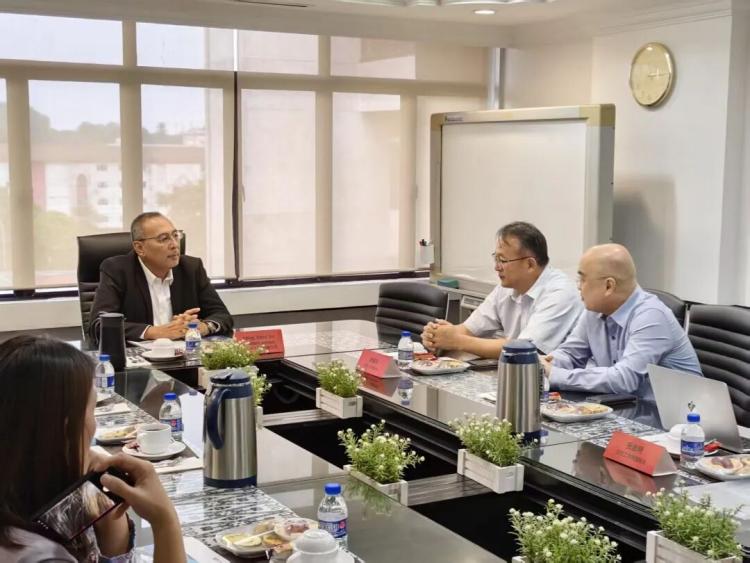
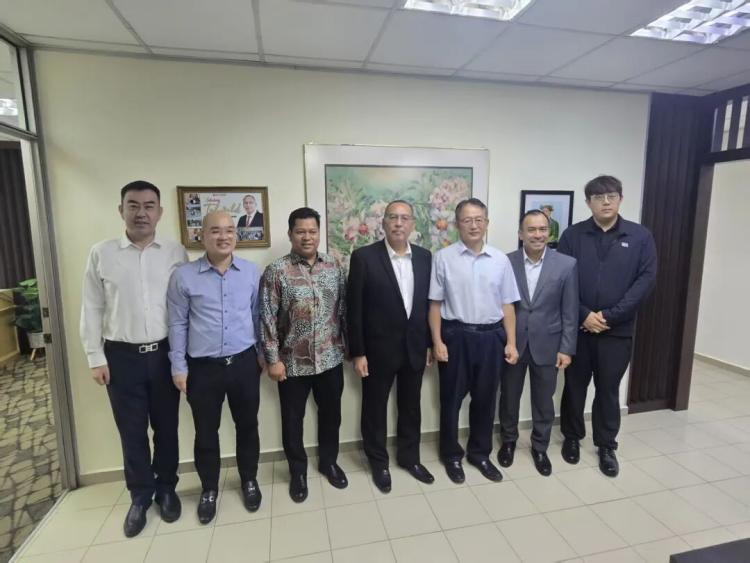
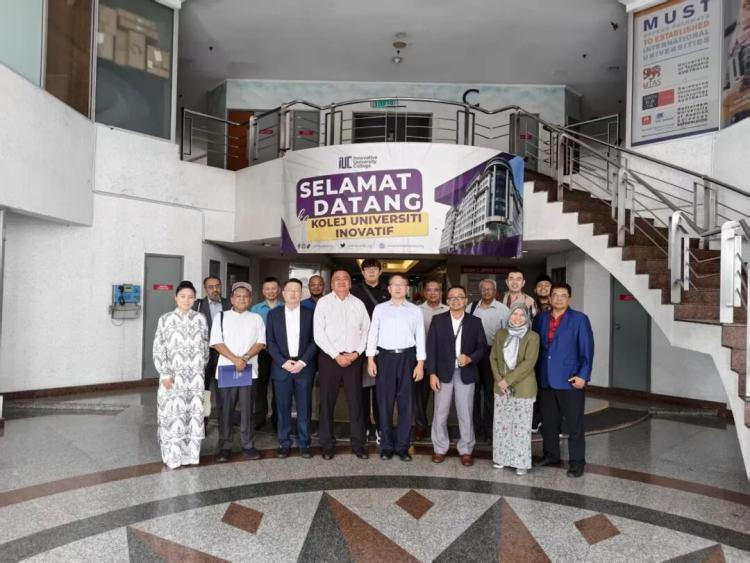
From August 8th to 13th, led by Principal Li Kangju, a team visited Malaysia to carry out special educational and economic exchanges. They successfully completed various important tasks such as government-enterprise matchmaking, inter-school talks, and strategic cooperation signing, implemented a number of practical cooperation projects, and successfully established an integrated cooperation platform for China-Malaysia industry-education integration, cross-border education, and two-way employment, promoting the leapfrog development of the school's internationalization in ASEAN.
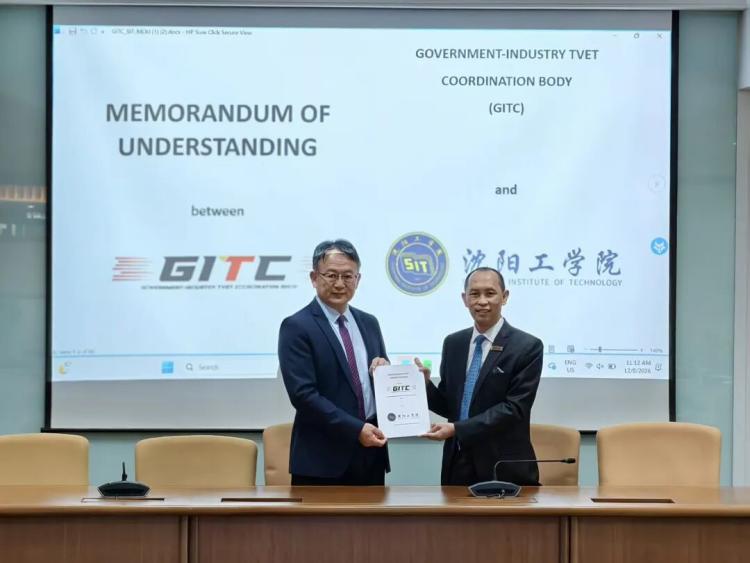
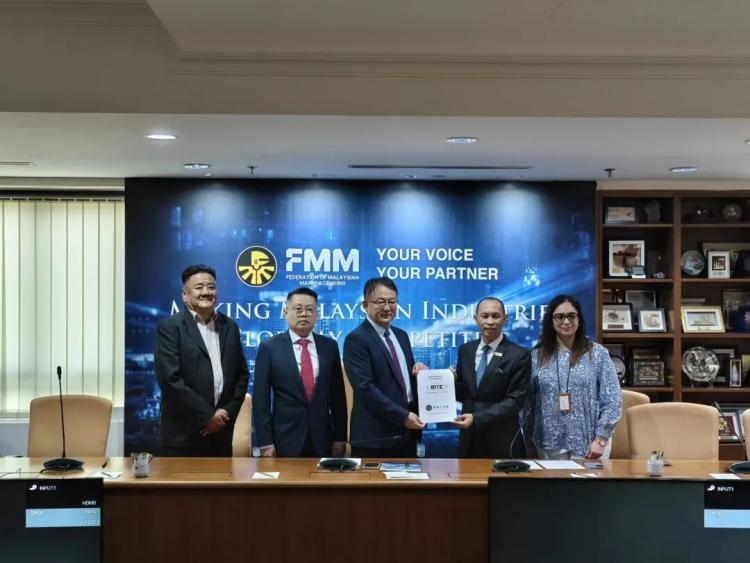
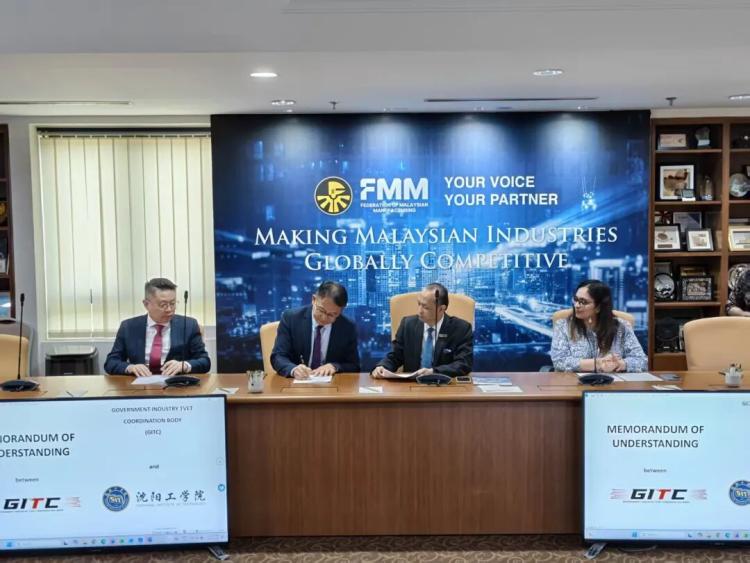
The school and the Malaysian GITC institution signed a memorandum of understanding on cooperation in Kuala Lumpur. According to the cooperation consensus reached by both parties, the school will export a mature and comprehensive industry-education integration education system, focusing on localized talent cultivation in advantageous tracks such as digital industry, intelligent manufacturing, and new energy, to help Malaysia's related industries improve quality and upgrade. Both parties will simultaneously refine the detailed rules for the entire process of project implementation, and improve the preliminary preparatory work through on-site industry research and school conditions investigation, ensuring the normalization and standardization of subsequent cross-border joint training projects.
The full name of GITC is the Government Industry TVET Coordination Body, led by the Malaysian Ministry of Higher Education. It is a national platform that brings together the government, enterprises, and trade unions. Its main task is to coordinate the training of technical and skilled talents in Malaysia, promote vocational education courses to align with industry standards, and match industrial labor demand. Our university is the first undergraduate institution in China to sign a cooperation agreement with GITC. With this cooperation, our university connects with Malaysia's national talent training system, specifically cultivating applied technical talents that meet industry standards for the Malaysian government. This establishes a channel for the exchange of technical and skilled talents between China and Malaysia, promoting a deep integration between China's undergraduate education and Malaysia's national vocational and technical system.
The delegation held high-level talks with two well-known public universities in Malaysia, establishing a long-term inter-university cooperation mechanism and opening up channels for integrated undergraduate and graduate studies, mutual recognition of credits, and mutual visits between teachers and students. The University of North Malaysia ranks 491 in the QS 2026 ranking, with its business strength firmly ranking among the top in Southeast Asia. The two universities will leverage their complementary disciplinary strengths, provide language training, open up cross-disciplinary study channels for engineering students, jointly cultivate "engineering + business" composite talents, and build a two-way employment platform. The University of Putra Malaysia ranks 134 in the QS 2025 ranking, with significant strengths in artificial intelligence, agriculture and forestry, and electrical engineering. The two parties have identified cooperation projects such as "2+2" undergraduate joint training, joint scientific research, and two-way internships to enrich the school's international education system.
This collaboration aligns with the school's orientation towards application-oriented education, innovates cross-border education models tailored to local conditions, adapts the school's industry-education integration system to meet the needs of Malaysia, establishes a tiered and flexible talent training system, creates a distinctive training path of "local general education + advanced practical training on campus", utilizes flexible academic structures and optimized foreign language teaching to address the adaptation issues of cross-border study, and forms a replicable and scalable model of cross-border industry-education integration.
Next, the school will fully promote the implementation of the cooperation outcomes from this visit, continuously improve the integrated education chain of "domestic practical training + ASEAN research and study + cross-border education and employment", continue to deepen international cooperation in Southeast Asia, export high-quality experience in industry-education integration, cultivate compound talents with both professional ability and international vision, rely on the collaborative linkage of government, enterprises, and schools to promote the coordinated development of China-Malawi industries, and fully demonstrate the internationalization characteristics and comprehensive strength of application-oriented universities.
Translated by Basic Courses Department