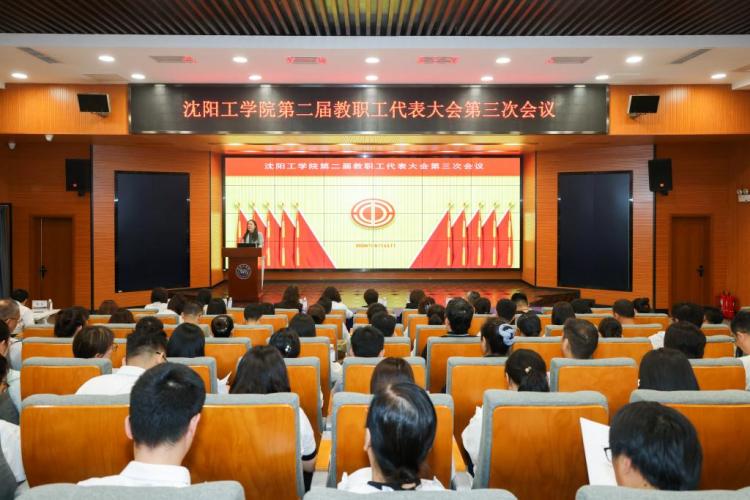
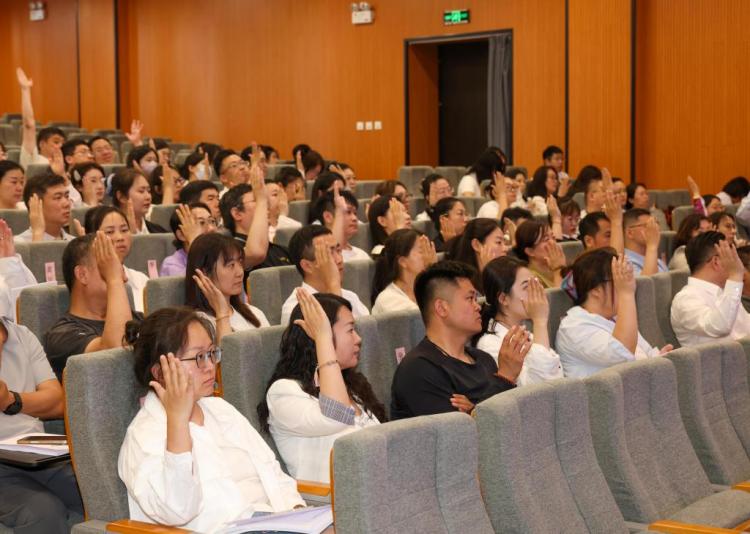
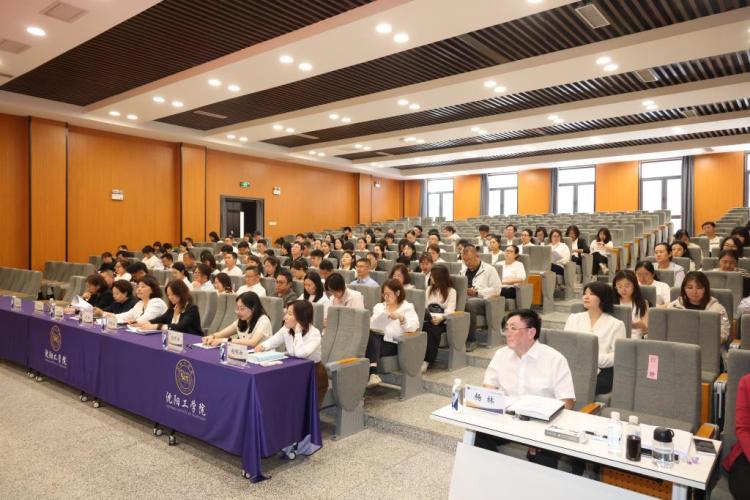
To scientifically chart the high-quality development blueprint for the university's "15th Five-Year Plan" period, continuously improve the modern internal governance system, deepen comprehensive institutional reforms, and fully leverage the core role of the Faculty and Staff Representative Congress in democratic management, democratic supervision, and consensus-building, the Third Session of the Second Faculty and Staff Representative Congress of Shenyang Institute of Technology was held on the afternoon of June 11 at the university's International College Lecture Hall. University leaders and all faculty representatives attended the congress. Non-representative mid-level leaders, secretaries of the Youth League Committee from each school, heads and deputy heads of specialized programs, and heads of public courses were invited to attend as non-voting participants. Numerous faculty members also voluntarily attended to jointly deliberate on the university's development and map out a new chapter of connotative development. The session was presided over by Comrade Bai Jing.
This congress, grounded in the university's critical stage of development and closely aligned with the annual core work priorities, primarily accomplished two major tasks: the review of six core documents and the democratic election of faculty representative supervisors to the Board of Supervisors. These efforts further refined the university's top-level institutional design and improved the internal oversight and management mechanisms, laying a solid institutional foundation and building consensus for the university's development over the next five years.
Charting the Development Course: Reviewing Top-Level Plans and Management Systems
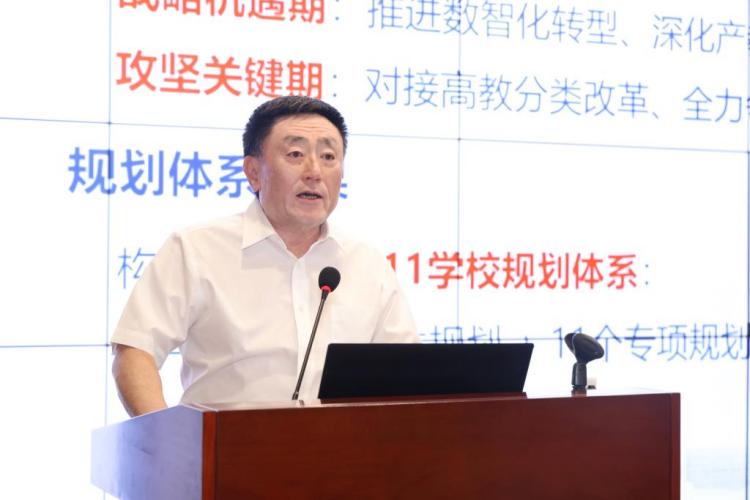
At the congress, Yang Lin, Dean of the Academy of Education, provided a special briefing on the drafting of the Shenyang Institute of Technology "15th Five-Year Plan" Period Development Plan (Deliberation Draft). The report comprehensively reviewed the university's educational achievements during the "14th Five-Year Plan" period, accurately assessed the current new trends in higher education, the new challenges facing private university transformation, and the university's own development opportunities, and clearly defined the development goals and core pathways for the next five years. The plan specifies that the university will be driven by the core goal of being selected for the national high-level applied university construction project, leveraging two development engines: building a new "human-AI dual education" ecosystem and upgrading the industrial college cluster. Focusing on key tasks such as the development and implementation of intelligent agents, refined operation of industrial colleges, and upgrading faculty teaching and innovation capabilities, the university will comprehensively promote the digital and intelligent transformation of education, teaching, and administrative management across all chains. The goal is to build a high-level applied private university with three core characteristics—digital intelligence, integration, and innovation—by 2030, and successfully join the national "Double Excellence" project sequence for high-level applied universities.
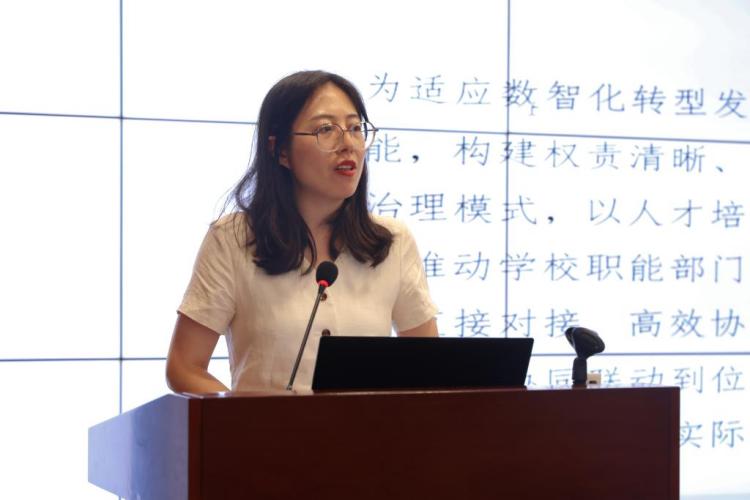
Gao Minghua, Director of the Quality Management and Evaluation Office, successively provided briefings on the drafting of the Shenyang Institute of Technology Implementation Plan for Promoting Governance System Construction (Draft) and the Shenyang Institute of Technology Implementation Plan for the Evaluation Indicator System (Draft). These two plans focus on the pain points and difficulties in modernizing the university's governance capabilities, further clarifying the authority and responsibility boundaries of various internal departments, optimizing the assessment and evaluation standards for different categories of faculty and staff, addressing shortcomings in internal management operations, and building a collaborative, standardized, and efficient modern governance structure to provide institutional support for the university's standardized operations and refined management.
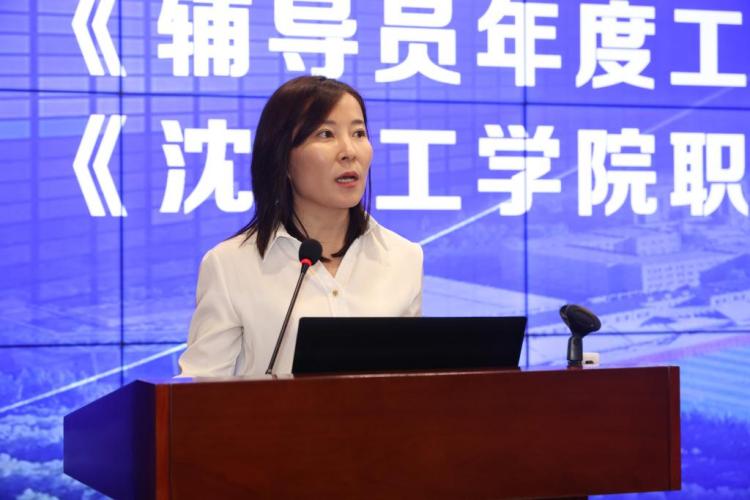
Zhao Mingyu, Director of the Human Resources Department, provided detailed explanations on three personnel management system documents, interpreting the Shenyang Institute of Technology Staff Management Regulations, the Basic Annual Work Requirements for Full-time Faculty (Draft), and the Basic Annual Work Requirements for Counselors (Draft). These documents, grounded in the actual roles of full-time faculty and counselors, refine job performance standards and quantify annual work assessment requirements, while also unifying the daily management norms for all university staff. This further strengthens the foundation of the teaching staff, improves the internal human resources management system, and supports the professional and standardized development of the education workforce.
Standardizing Democratic Elections and Improving the Internal Oversight Governance Loop
In accordance with the requirements of the Implementation Regulations of the Private Education Promotion Law of the People's Republic of China, the Shenyang Institute of Technology Charter, and the relevant management measures of the university's Board of Supervisors, the congress conducted the election of faculty representative supervisors to the Board of Supervisors in accordance with regulations. The chair read out the supervisor qualifications, election procedures, and basic information of the candidates on site. All participating faculty representatives fully deliberated and discussed the candidate selections.
Following an on-site show of hands, the congress lawfully elected Comrades Zhao Lin, Gao Minghua, and Qin Jiawen as faculty representative supervisors to the university's second Board of Supervisors. The congress warmly applauded the successful election of the three comrades and expressed the hope that the new supervisors would uphold their oversight mission, strictly adhere to work standards, effectively fulfill their supervisory duties, improve the university's "decision-execution-supervision" closed-loop governance mechanism, and ensure the compliant and orderly implementation of all university work.
Building Consensus and Embarking on the New Journey of "15th Five-Year Plan" Development with Practical Action
This Faculty and Staff Representative Congress is a significant democratic deliberation meeting held at a critical juncture as the university charts its course for the "15th Five-Year Plan" period, possessing directional, foundational, and safeguarding significance. The meeting noted that the university is currently in a critical stage of deepening comprehensive reforms and advancing digital and intelligent transformation. All faculty and staff must unify their thinking, keep pace with the university's development, actively align with the university's overall "15th Five-Year Plan" development goals, and contribute to the modernization of the university's governance system and governance capabilities from their respective positions.
The meeting required that all delegations and faculty representatives effectively fulfill their representative duties, promptly communicate, study, and disseminate the spirit of the congress, broadly convey the university's development plans, and further strengthen the sense of responsibility and mission among all faculty and staff. It is also necessary to maintain open channels for feedback from teachers and students, fully leverage the bridging and bonding role of the Faculty and Staff Representative Congress in democratic management and supervision, and pool the wisdom and strength of the entire university to safeguard high-quality development.
After the congress, the university will hold special symposiums in six separate groups to broadly solicit revision suggestions and optimization recommendations from all participating representatives and faculty on all documents reviewed at the congress. This will ensure continuous refinement of various planning schemes and management systems, making the top-level design more closely aligned with the realities of running the university, the needs of teachers and students, and broader industry trends. This will fully support the effective implementation and tangible results of all reform initiatives, striving to write a new chapter of high-quality development for Shenyang Institute of Technology during the "15th Five-Year Plan" period.
Translated by Basic Courses Department