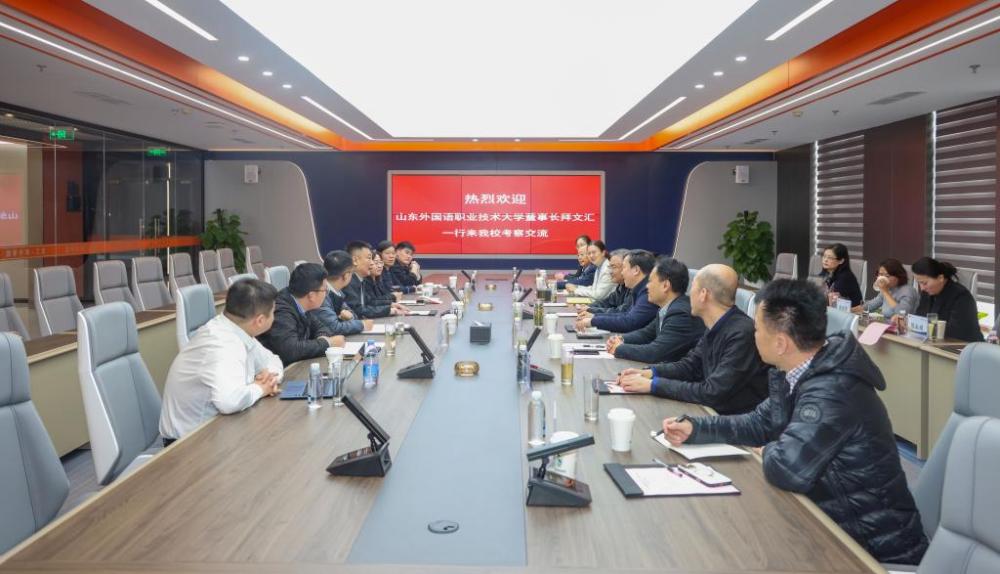
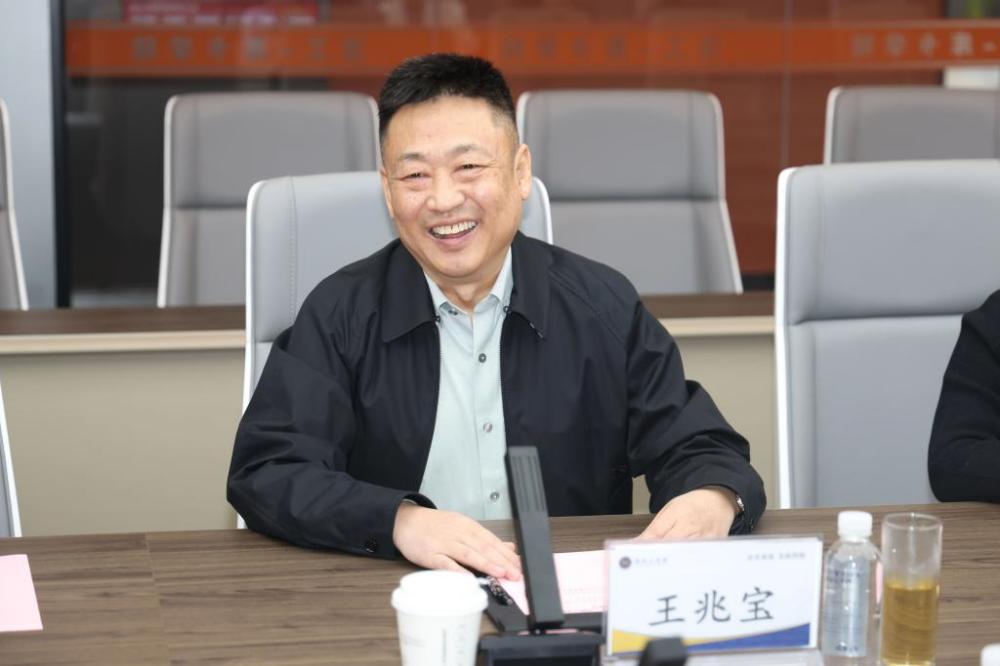
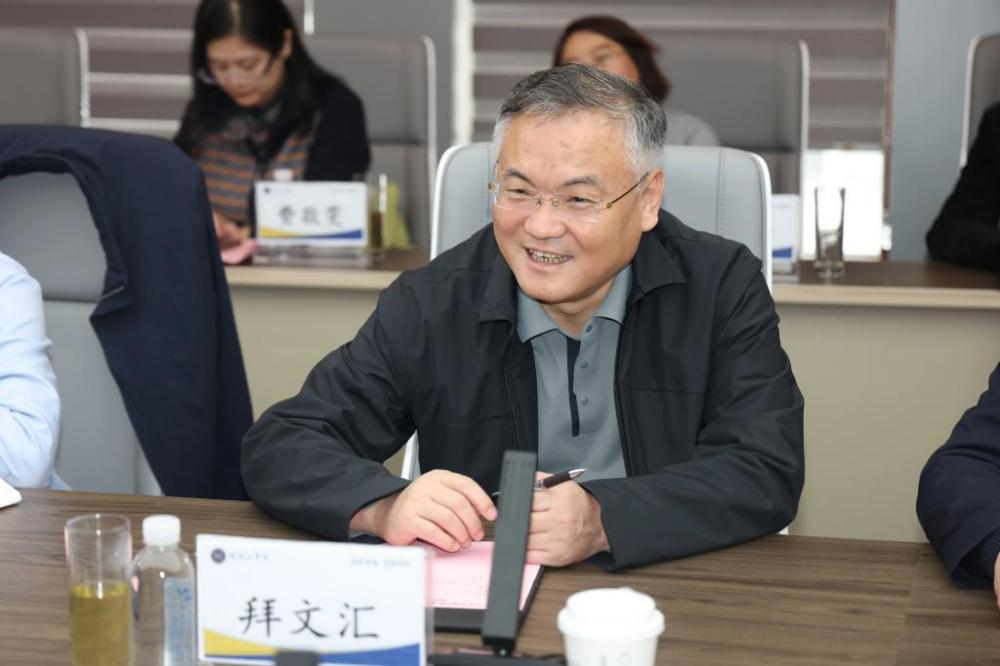
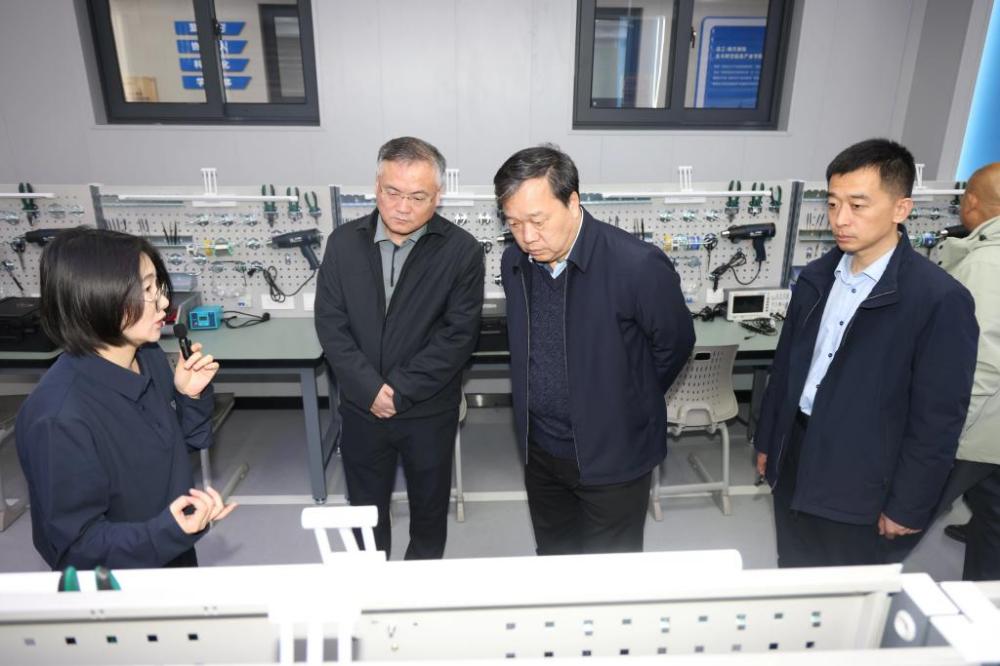
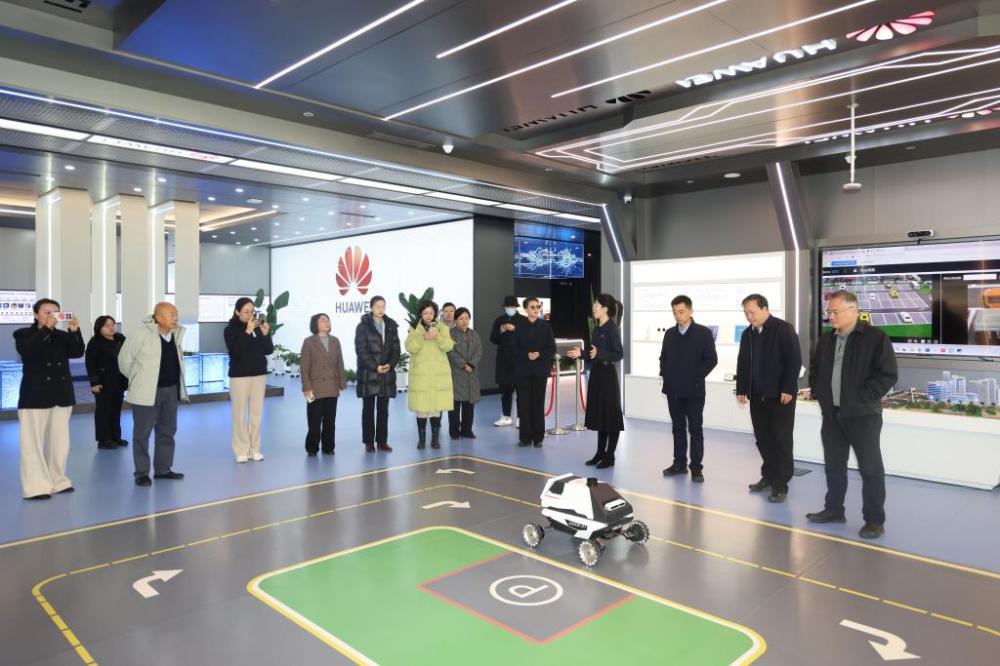
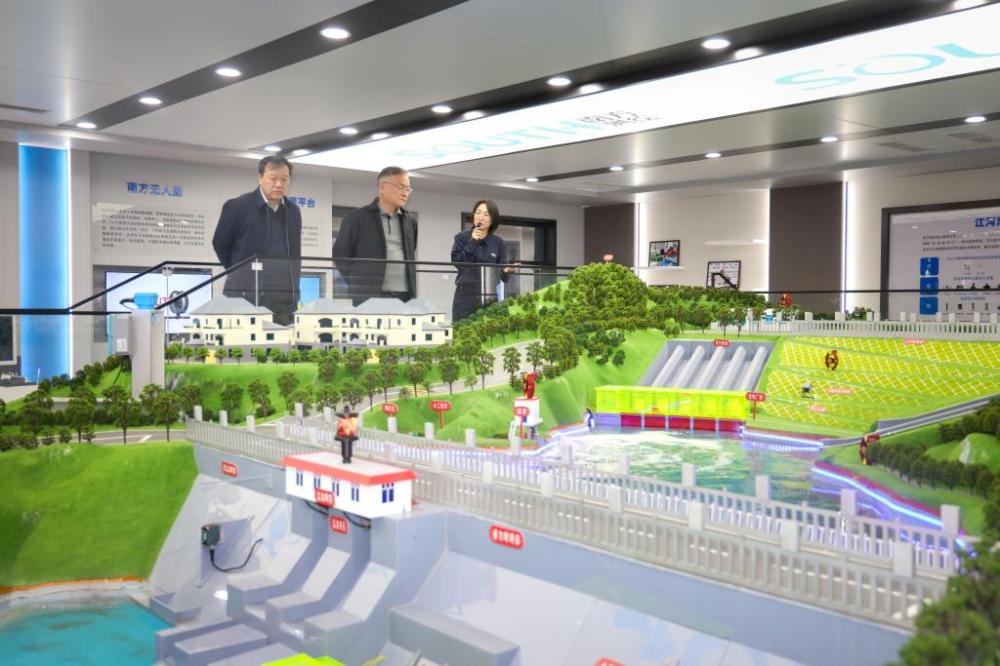
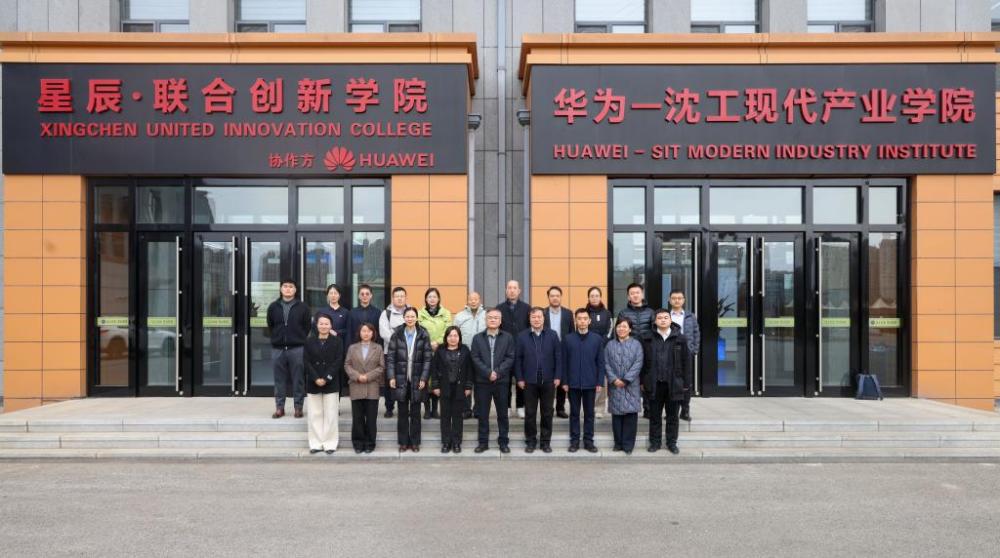
On November 16, a delegation led by Bai Wenhui, Chairman of Shandong International Studies University, visited our institution for an exchange program. The two sides held in-depth discussions on AI-driven transformation and pedagogical innovation in private education, sharing insights on AI technology applications, industry-academia collaboration, teaching reforms, and the development of private education. Wang Zhaobao, Chairman of our university, received the delegation and participated in the symposium.
At the symposium, Wang Zhaobao extended a warm welcome to the delegation from Baiwenhui and shared the cooperation history between our university and enterprises such as Huawei. Facing the common challenges of declining junior high school enrollment and weak teaching staff in private schools, the university has actively explored the application of AI in teaching. By leveraging Huawei technology to build an intelligent agent development platform, it promotes a dual-teacher teaching model, achieving standardized teaching, personalized learning, and intelligent interaction, thereby facilitating the digital transformation and development of the school. In the future, the university plans to build an intelligent manufacturing system based on Huawei and will launch industry colleges such as animal medicine next year to cultivate high-quality, professional, and applied talents who collaborate with artificial intelligence.
Bai Wenhui introduced the basic situation of Shandong International Studies University, emphasizing that private universities have flexible mechanisms and certain advantages in transformation. AI technology has brought a huge impact on education, and future educational disparities will stem from AI application capabilities. Shenyang Institute of Technology promotes transformation through "intelligent agents," learning from the corporate culture and vocational quality cultivation of enterprises such as Huawei and Midea, introducing real enterprises, and achieving interdisciplinary integration through industry-education collaboration, which demonstrates advanced concepts. Meanwhile, Bai Wenhui invited Wang Zhaobao to the university for guidance, sharing advanced ideas to help deepen the schools reform.
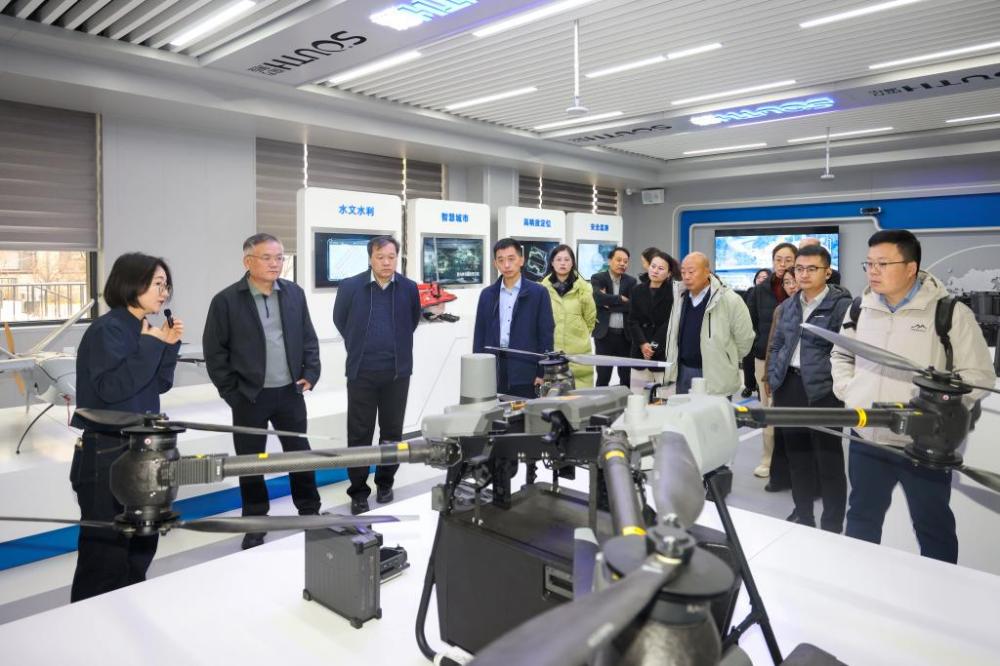
Before the symposium, Bai Wenwei and his delegation visited the Shenyang University of Technology-South Surveying and Mapping Beidou Spatio-temporal Information Industry College and Huawei-Shenyang University of Technology Modern Industry College.
The delegation included Guo Shanli, Party Secretary of Shandong International Studies University; President Du Lin; Li Ya, Director of the Digital Information Center (Dean of the School of Information Engineering); Wang Yong, Director of the Logistics Office; Zhao Jiaping, Dean of the International Business School; Liu Wei, Dean of the School of Foreign Languages; Yao Lan, Dean of the International Education College; Zhang Ruixian, Vice Dean of the School of Finance and Accounting; Mou Bin, Deputy Director of the Academic Affairs Office; Fei Jingwen, Vice Dean of the School of Intelligent Science and Control Engineering; Yang Yue, Assistant to the President and Director of the Academic Affairs Office; Liu Yang, Director of the Party and Government Office; and Liu Pai, Vice Dean of the School of Continuing Education.
Translated by Basic Courses Department