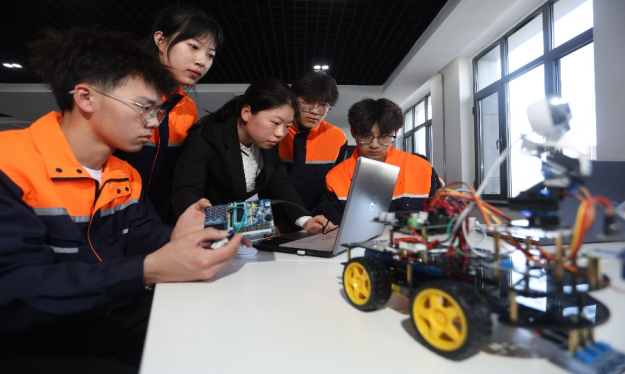
AI agent classrooms brighten teaching, project-based training hones practical capabilities, the all-staff tutor system warmly supports students’ growth, and distinctive student clubs fuel innovation… Centered on students, the New Energy Vehicle Engineering Teaching and Research Section of our university takes targeted measures across multiple dimensions: AI agent curriculum development, project-based instruction, digital and intelligent empowerment, industry-education collaboration for employment, practical education through student societies, and tutor-based training. It strives to build an application-oriented talent training system that integrates theory, practice and innovation, and forms a full-chain support covering theoretical learning, practical innovation and growth assistance. Supported by high-quality industry-education integration platforms including the Automotive Practical Teaching Center, the Shengong-Dassault Systèmes Modern Industrial College, and the Shengong-Shanghai Huicheng Modern Industrial College, the section cultivates application-oriented talents in new energy vehicles that meet industrial demands. The section currently has 15 full-time teachers, nearly 40% of whom hold senior professional titles. It has been awarded the title of Advanced Teaching and Research Section for 2026.
Thanks to the fruitful implementation of a series of educational reforms, remarkable progress has been made in talent cultivation. The first cohort of graduates, the Class of 2022, achieved outstanding results, with 60% of them joining automotive-related industries. Many students have secured positions at leading new energy vehicle enterprises such as Li Auto and NIO, engaging in core technical work including complete vehicle R&D and product development. Some graduates joined EDAG Engineering (Shanghai) Co., Ltd., a world-renowned automotive engineering design firm, to participate in the design and R&D of cutting-edge complete vehicle projects. Multiple students from the Class of 2023, including Du Siyu and Bai Bohong, completed internships at the company, deeply involved in the development of new energy vehicles and directly applying the knowledge and skills acquired on campus to real corporate projects. Other students chose to pursue postgraduate studies or overseas further education, enjoying diverse and promising career paths.
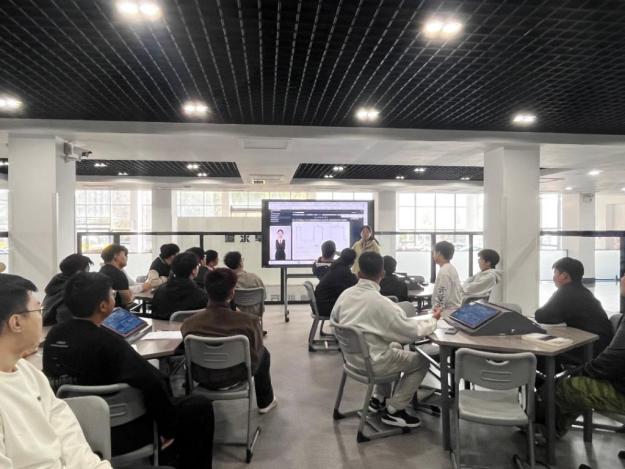
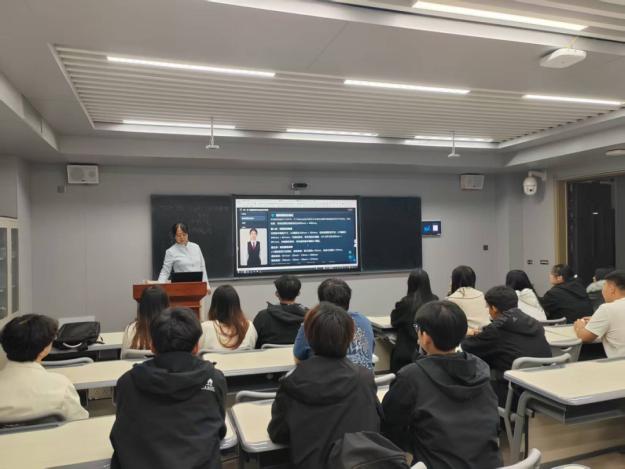
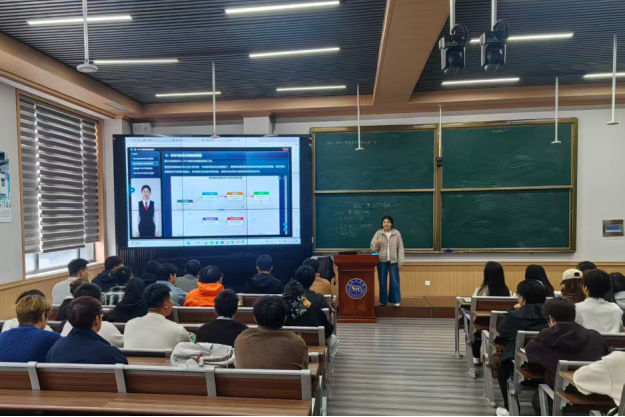
Such impressive training outcomes stem from the section’s continuous iteration and upgrading of its talent training model. In terms of curriculum delivery, leveraging university-level teaching reform projects, the section has built an AI agent teaching scenario featuring “digital human instruction + learning status analysis + personalized tutoring”, covering all core courses with a 100% adoption rate of AI agent courses. Previously obscure and abstract engineering theories are transformed into interactive and exploratory learning tasks. The system dynamically tracks students’ learning performance, accurately identifies knowledge gaps, and enables teaching tailored to individual aptitude. Smart classrooms fully stimulate students’ initiative and intrinsic motivation for independent inquiry, injecting digital and intelligent momentum into professional teaching.
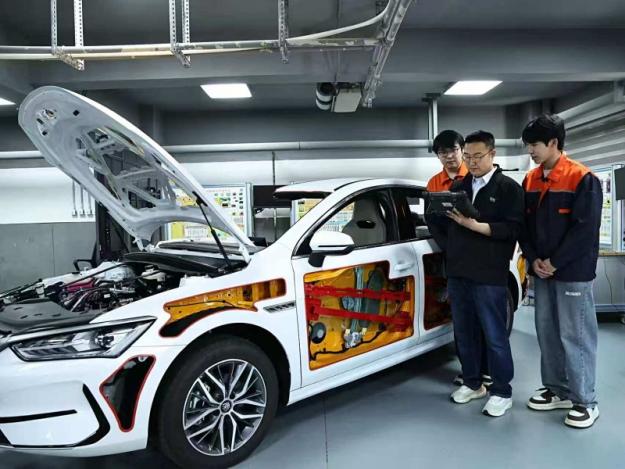
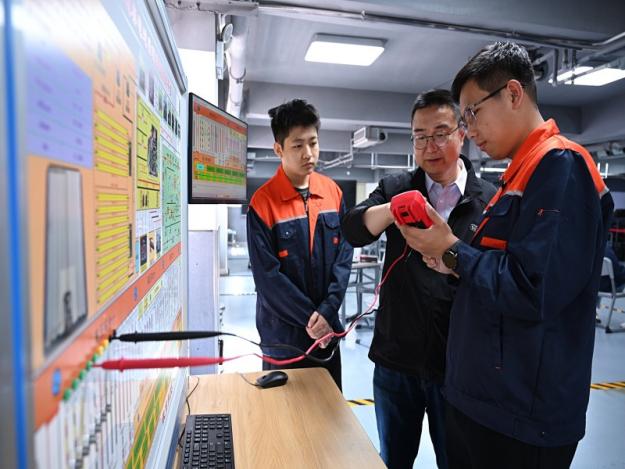
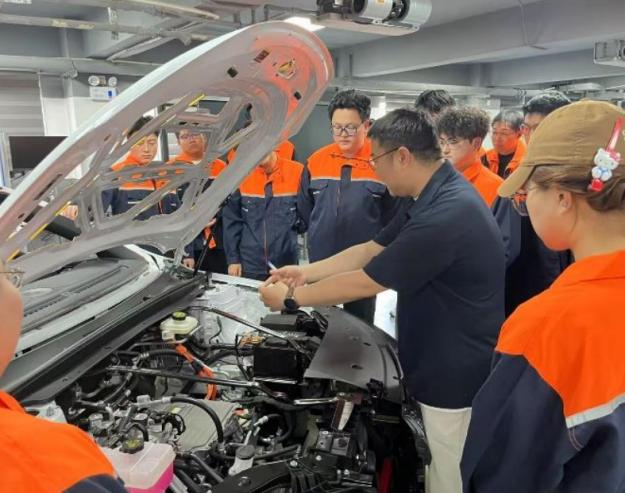
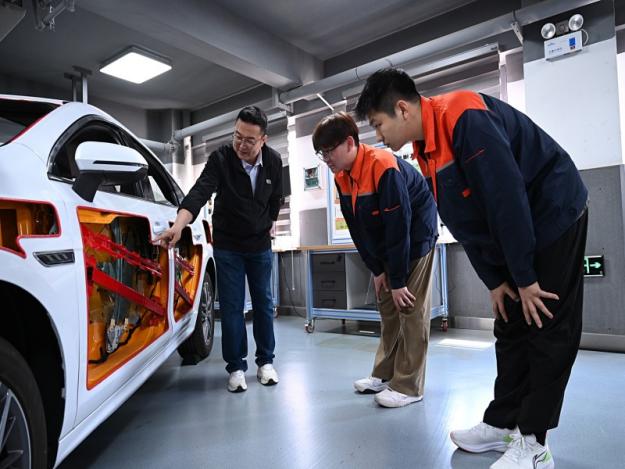
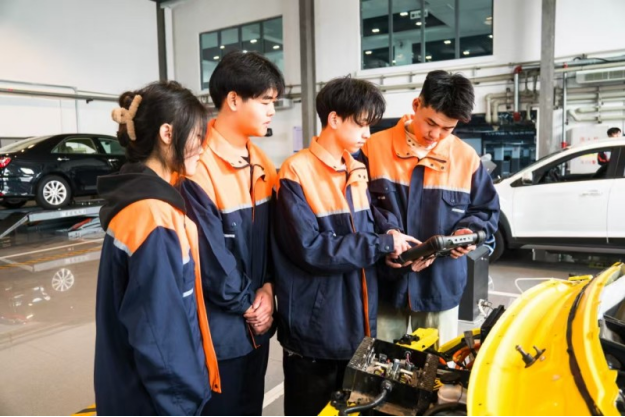
In class, the section vigorously promotes project-based teaching. Taking the Automotive Practical Teaching Center as the main venue for hands-on training, it has rolled out project-based learning across core courses such as New Energy Vehicle Structure, Power Battery and Energy Technology, and Electric Vehicle Matching and Design. Centered on real complete vehicles and core components, teaching breaks down textbook knowledge into actionable engineering tasks. Students tackle authentic engineering challenges, repeatedly revise plans, adjust parameters and refine structures, learning by doing. From disassembling and assembling vehicle parts to debugging control systems, students gain hands-on experience. They not only master textbook knowledge but also develop solid capabilities to solve complex engineering problems.
To accompany students throughout their growth, the section has fully implemented the tutor training model. Starting from the Class of 2026, teachers are assigned duties, with each tutor responsible for 7 to 8 students, ensuring that every student has a tutor and receives individual attention. Tutors are expected to be more than classroom instructors; they act as mentors for students’ growth. They keep track of students’ academic performance, ideological status and career aspirations, and provide one-on-one personalized guidance on academic questions, practical training and career planning. Whether students encounter academic bottlenecks or feel confused about future development, they can turn to their dedicated tutors for support. Warm companionship helps every student thrive. Meanwhile, three university-level “student-centered” teaching reform projects are being carried forward to continuously polish the education system.
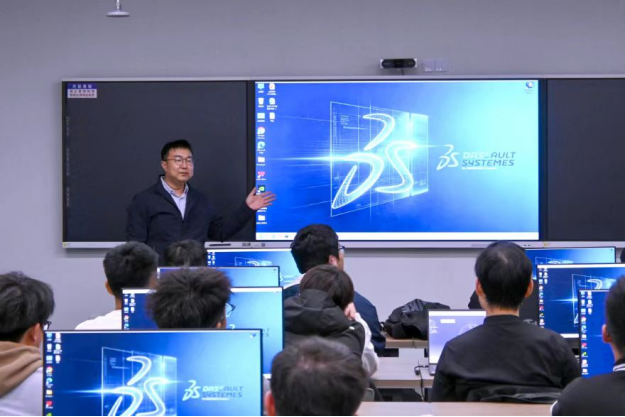
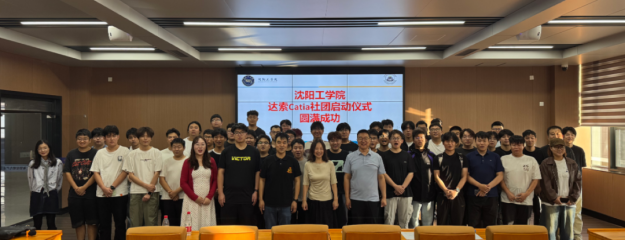
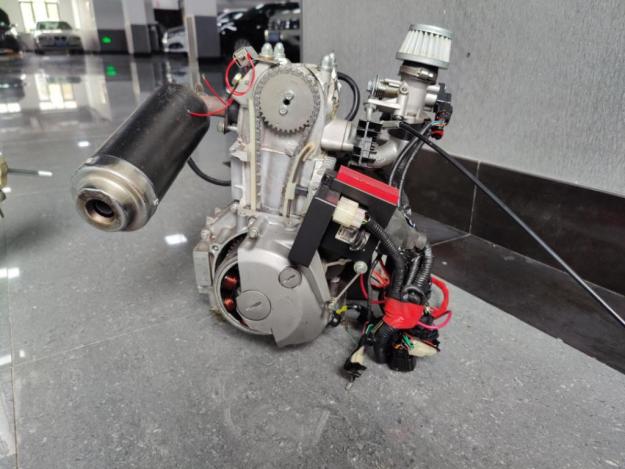
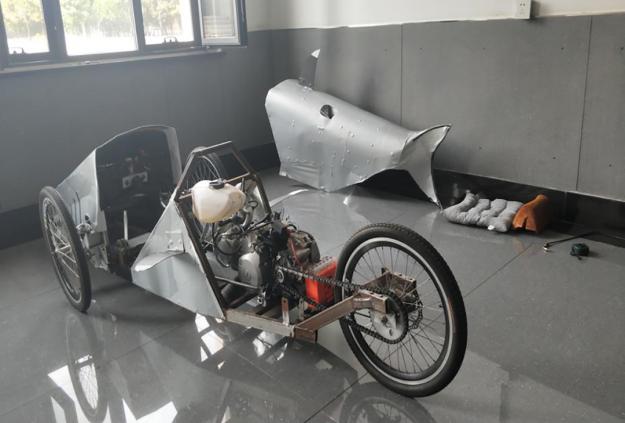
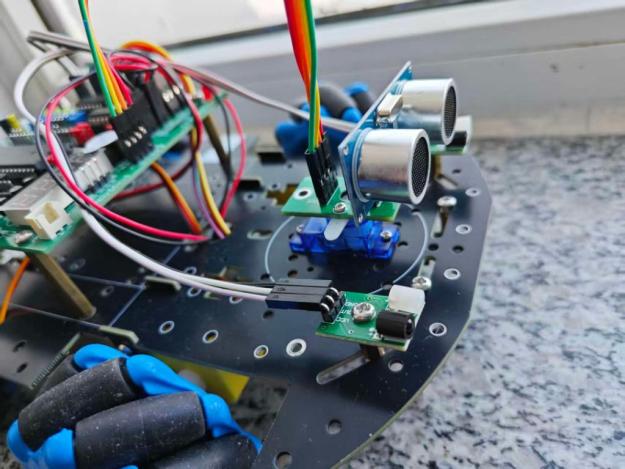
The section also develops a rich second classroom and guides the establishment of three distinctive student clubs to build an innovation training ground for students. Relying on high-quality teaching resources from the Shengong-Dassault Systèmes Modern Industrial College and the Shengong-Shanghai Huicheng Modern Industrial College, the CATIA Club deeply integrates cutting-edge digital design tools such as Dassault CATIA into talent training. It runs regular skill workshops to help students master 3D digital design, from sketching to modeling complete vehicle components. The Wing of Auto Club, based at the Automotive Practical Teaching Center, turns vehicle design ideas into drivable prototypes. Students manufacture body panels, assemble whole vehicles and conduct road tests. The New Power Auto Club focuses on intelligent electronic control development: from schematic design, soldering and debugging of STC single-chip development boards, to circuit construction and signal testing of four-channel sensor interfaces; from selection and integration of environmental perception sensors including ultrasonic and infrared sensors, to vehicle wiring, program flashing and joint functional debugging. Here, interest drives motivation, and creative ideas are turned into tangible works. Students’ practical skills, innovative thinking and teamwork are fully cultivated.
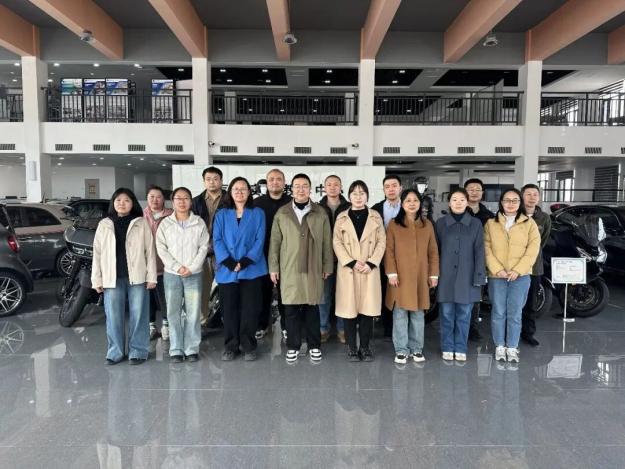
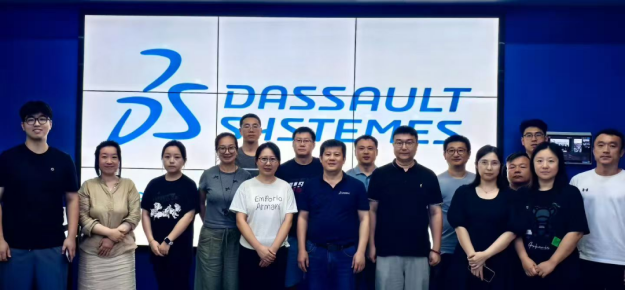
Committed to collaborative education with industry partners, the section regularly organizes corporate visits to expand employment opportunities. It has visited enterprises including Anhui Ailonson Automotive Technology Co., Ltd. and EDAG Engineering (Shanghai) Co., Ltd., broadening internship and employment channels. Cutting-edge industrial technologies and real projects are introduced onto campus to achieve seamless connection between campus learning and workplace requirements.
Looking ahead, the New Energy Vehicle Engineering Teaching and Research Section will further strengthen its strengths in smart classrooms, project-based instruction, tutor support and club-based innovation. It will deepen industry-education integration and digital-intelligent empowerment, continuously optimize the talent training model, and help more young students build solid expertise to pursue their dreams in the new energy vehicle industry.
Translated by Basic Courses Department